
1 Day Dental Implants Cost: Complete 2026 Pricing Guide
Table of Contents
What Are Same-Day Dental Implants and Why Cost Varies
Same Day Dental Implants vs Traditional Implants: Cost and Timeline Differences
Key Factors That Influence 1 Day Dental Implants Cost
Single Tooth vs Full-Mouth Restoration Pricing
Bone Grafting and Hidden Costs
Geographic Cost Index Variations
Dental Implant Financing Options to Make Same-Day Implants Affordable
Recovery Time for Same Day Dental Implants and What to Expect
Insurance Coverage and Out-of-Pocket Expenses
Long-Term Maintenance Costs and Durability
Conclusion
Frequently Asked Questions
Last Updated: September 27, 2026
What Are Same-Day Dental Implants and Why Cost Varies
Same-day dental implants, also known as immediate-load implants or "teeth in a day," allow patients to leave with a functional prosthesis the same day the implant is placed, unlike traditional implants that require months of healing between placement and restoration.
Advanced planning enables same-day placement: your dentist uses 3D cone beam CT scans to map your jawbone, a surgical guide ensures exact positioning, and the abutment and temporary prosthesis are fabricated in advance. This upfront planning is why 1 day dental implants cost more initially but deliver faster results.
Cost varies based on whether you're replacing one tooth or multiple teeth, your location, and whether bone grafting is needed. Hidden fees, sedation, imaging, temporary prosthetics, accumulate quickly, so understanding these variables is essential before committing to treatment.
Pro Tip The real advantage of same-day implants isn't just speed, it's predictability. Because everything is planned before surgery, you know exactly what to expect, which means fewer surprises and fewer revision appointments.
Same Day Dental Implants vs Traditional Implants: Cost and Timeline Differences
Same-day implants compress a multi-year process into hours. Traditional implants require placing the titanium post, waiting 3-6 months for osseointegration (bone fusion), then placing the crown, months of living with a gap or temporary solution.
Same-day implants skip the waiting period, so you walk out with functional teeth. However, traditional implants allow more time for bone integration, potentially creating a more stable foundation. Same-day implants rely on immediate loading, which requires precise surgical technique and strong bone density.
Traditional implants feel cheaper initially, but adding temporary solutions, multiple appointments, and lost time often rivals same-day pricing. Same-day dental implants cost more upfront but consolidate expenses into one treatment plan.
Traditional implants have minimal immediate recovery. Same-day implants require more careful post-operative management because the implant bears load while healing, with strict guidelines about diet and protection during the critical first weeks.
Key Factors That Influence 1 Day Dental Implants Cost
Multiple variables determine what you'll pay for same-day dental implants. Understanding each factor helps you anticipate costs and make informed decisions about your treatment.
Single Tooth vs Full-Mouth Restoration Pricing
A single-tooth restoration requires one implant, one abutment, and one crown with brief surgical time. Bone grafting may not be necessary if your jawbone is healthy and dense.
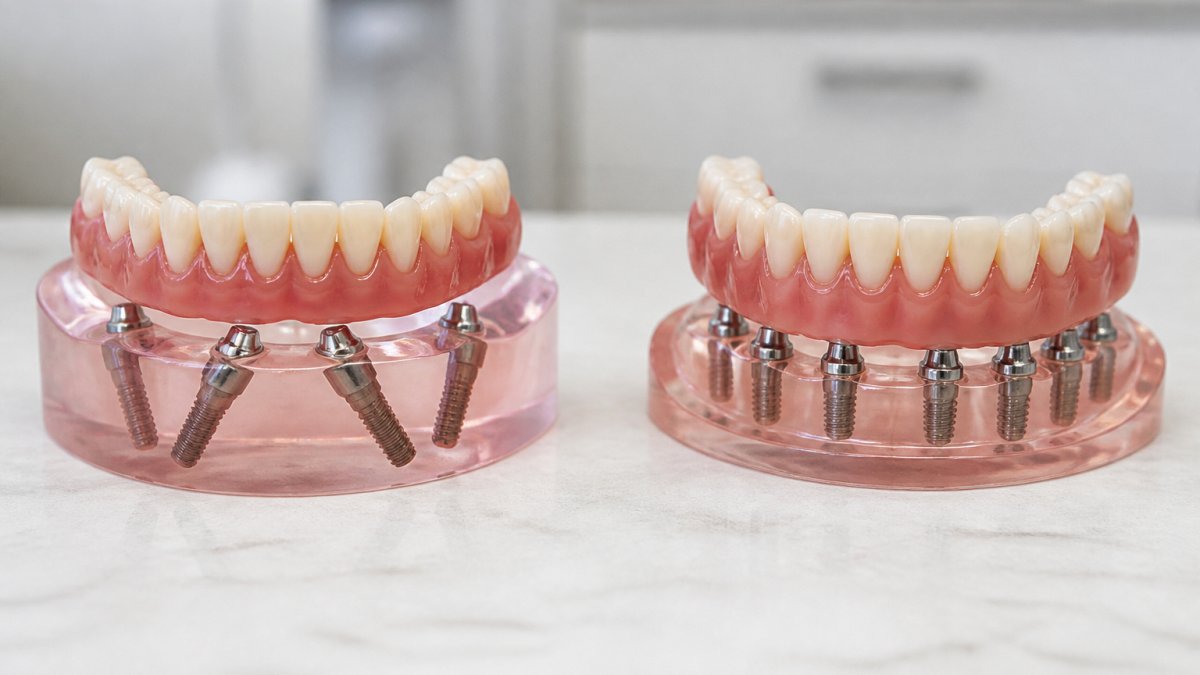
A full-mouth restoration (all-on-4 or full-arch) uses four to six implants to support a complete prosthesis. It requires more complex surgery, longer planning, and extended surgical time. Bone loss from missing teeth or denture wear may require grafting before implant placement, adding cost and complexity.
Full-mouth restorations cost substantially more but eliminate years of denture discomfort and dietary restrictions for patients with severely compromised dentition.
Bone Grafting and Hidden Costs
Bone grafting is a significant hidden cost if your jawbone has resorbed from tooth loss or denture wear. Grafting material (your own bone, donor bone, or synthetic) rebuilds the foundation for safe implant support.
Grafting adds cost and complexity. Some cases require grafting first with a waiting period before implant placement; others allow simultaneous grafting and implant placement with same-day prosthesis placement.
Additional hidden costs include the temporary prosthesis, advanced imaging (3D CT scans), IV sedation, and post-operative medications. Some practices bundle these; others itemize separately, which can surprise patients.
Geographic Cost Index Variations
Where you live dramatically affects same-day dental implants cost. Urban areas typically charge 30-50% more than rural areas due to overhead, staff salaries, and market demand.
Practices in major metropolitan areas may charge 30-50% more than practices in smaller cities for identical procedures. This reflects overhead costs, staff salaries, and market demand. A practice in a retirement community may have different pricing than a practice in a college town, even if their clinical outcomes are identical.
Travel for dental care is a real option some patients consider. Dental tourism, traveling to another state or country for lower-cost treatment, exists because price differences are substantial. However, same-day implants require follow-up care. If complications arise, you need access to your original dentist. The convenience and safety of local care often outweigh the savings of traveling elsewhere.
Watch Out Choosing a practice based solely on price is a common mistake. A cheaper same-day implant placed poorly causes problems that cost far more to fix than the savings you initially gained. Verify that your dentist has extensive experience with immediate-load implants, not just traditional implants.
Dental Implant Financing Options to Make Same-Day Implants Affordable
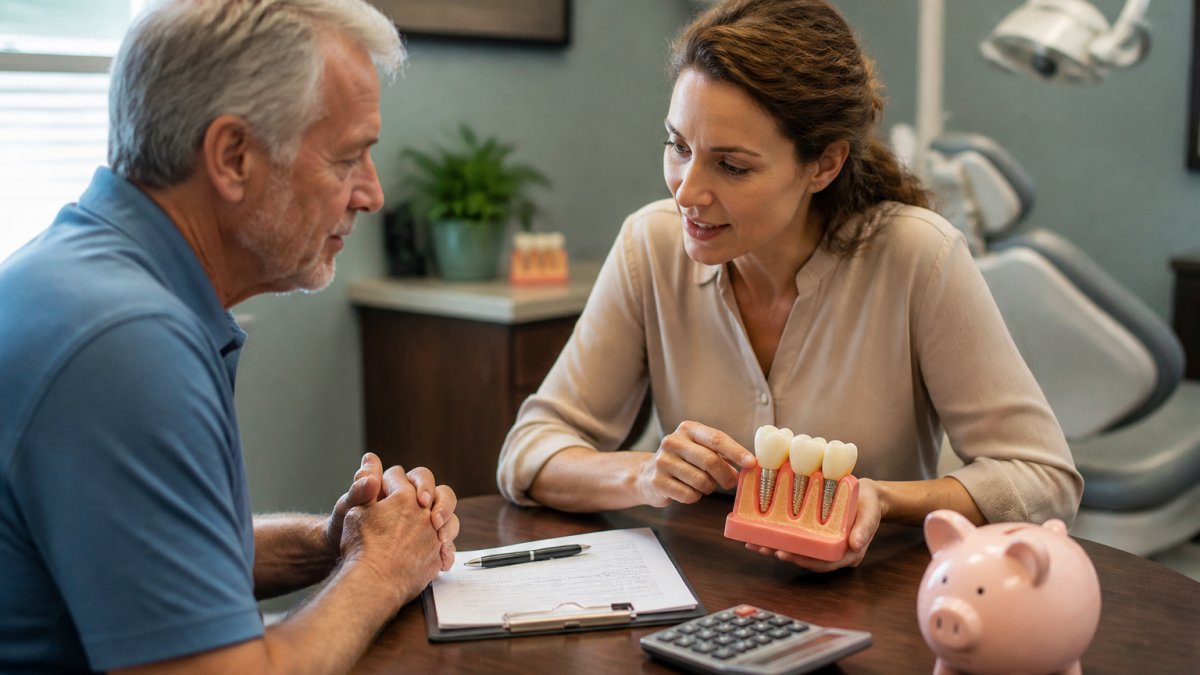
Same-day dental implants cost more than many patients can pay out of pocket. Financing options exist to make treatment accessible.
Many dental practices offer in-house payment plans. You pay a deposit, then make monthly payments to the practice directly. These are often interest-free if you complete payments within a set timeframe (typically 12-24 months). In-house plans are convenient because you work directly with your dentist's office.
Third-party credit companies specialize in dental financing. CareCredit and similar services offer promotional financing, often 0% interest for 12-24 months if you pay in full by the end of the promotional period. These programs are widely accepted at dental practices. If you miss the deadline or make only partial payments, interest kicks in retroactively, which can be expensive.
Dental discount plans are membership programs that reduce the cost of dental care. You pay an annual membership fee (typically $80-200) and receive discounts on procedures, often 10-60% off. These plans don't cover implants as well as they cover routine care, but they can reduce costs somewhat. The catch is that not all dentists participate, and the discounts vary widely.
Some patients use medical credit cards or personal loans from banks. Interest rates vary based on your credit. Employer dental insurance sometimes covers implants partially, though coverage is inconsistent and often limited to a specific dollar amount per year or per lifetime.
Royal Dental at The Villages offers a 10% new patient discount on dental work and implants, which can meaningfully reduce your first-year costs. Ask about this when you schedule your consultation.
Recovery Time for Same Day Dental Implants and What to Expect

Recovery from same-day dental implants is faster than traditional implant surgery, but it's not zero downtime. You'll have immediate recovery (the first few hours after surgery) and healing recovery (the weeks that follow).
Immediately after surgery, you'll have swelling, mild discomfort, and numbness from local anesthesia or IV sedation. You can't eat solid food the same day. Stick to soft foods, smoothies, soup, and ice cream for the first 24-48 hours. Avoid hot foods and drinks. Don't use a straw, the suction can disturb the surgical site.
Pain is usually mild to moderate and manageable with over-the-counter pain relievers. Some swelling peaks around day 2-3, then subsides. Bruising is possible but not guaranteed. Most patients return to light activity within a few days. You can return to work if your job doesn't involve physical labor or heavy lifting.
The critical recovery period is the first two weeks. During this time, the implant is integrating with your bone, and your temporary prosthesis is bearing load. You must follow your dentist's instructions precisely. Avoid chewing on the implant side. Don't smoke, smoking impairs healing. Avoid alcohol if you're taking pain medication. Attend all follow-up appointments.
By week four, most swelling is gone. By week six to eight, you can typically resume normal eating habits, though your dentist will guide you on progression. The permanent restoration is usually placed around 4-6 weeks after surgery, once initial healing is complete.
Full osseointegration, the complete fusion of bone and implant, takes months. Even though you're functional immediately, the implant continues to integrate and strengthen for 3-6 months after placement. This is why following post-operative instructions is crucial during this period.
Key Takeaway Same-day implants allow you to function immediately, but they demand careful post-operative behavior. The first two weeks are critical. Follow your dentist's restrictions, attend appointments, and be patient with the healing process.
Insurance Coverage and Out-of-Pocket Expenses
Dental insurance coverage for implants is inconsistent and often limited. Many plans classify implants as cosmetic and don't cover them at all. Some plans cover a portion, perhaps 50% after you meet a deductible, up to a maximum annual benefit (often $1,000-1,500 per year).
Coverage varies by plan type.
Long-Term Maintenance Costs and Durability
Same-day dental implants are designed to last decades, but they're not maintenance-free. Long-term costs include professional cleanings, possible adjustments, and eventual replacement of the crown or prosthesis.
Conclusion
Same-day dental implants offer a solution for patients who want to restore their smile without months of waiting. The cost varies based on whether you're replacing a single tooth or your entire mouth, whether bone grafting is needed, and where you live. Hidden costs, from advanced imaging to IV sedation to temporary prosthetics, add up quickly, so ask for a detailed estimate before committing.
Frequently Asked Questions
What's the actual cost range for 1 day dental implants?
Pricing for same-day dental implants depends on several factors including whether you need a single tooth or full-mouth restoration, bone grafting requirements, and your geographic location. Rather than guessing at costs, contact Royal Dental at The Villages directly for a personalized quote. They offer a 10% new patient discount on dental work and implants, which can significantly reduce your total investment.
How do financing options help make same-day dental implants more affordable?
Dental implant financing options include third-party credit programs, payment plans through your dental provider, and sometimes dental insurance coverage for portions of the procedure. Many patients spread costs over 12-36 months, making the monthly payment manageable. Ask Royal Dental at The Villages about their available financing plans during your consultation to find an option that fits your budget.
Are one-day dental implants as durable as traditional implants?
Same-day dental implants using immediate-load technology can be just as durable as traditional implants when placed by experienced surgeons and properly maintained. Success rates are comparable when patients follow post-operative care instructions. The key difference is the timeline, not the longevity. With proper maintenance and regular dental visits, immediate-load implants can last 15+ years.
How long is recovery time for same-day dental implants?
Recovery time for same-day dental implants is typically shorter than traditional implants. Most patients experience minimal discomfort and can return to light activities within a few days. Full osseointegration, where the implant fuses with the jawbone, takes 3-6 months. During this period, you'll have a temporary prosthesis while the permanent restoration is being finalized, allowing you to eat and speak normally.
Inquiry Services Page

Comments