

Dental Implants The Villages Patients Trust
A loose denture at dinner, a missing tooth that shows in every photo, or a bite that no longer feels stable - these are the moments that send many people searching for dental implants The Villages residents can feel confident about. For adults who want a long-term solution, implants can restore more than a smile. They can bring back comfort, confidence, and the simple ease of eating and speaking without second-guessing every moment.
Dental implants are often described as the closest option to a natural tooth, and that is a fair description. An implant is a small post placed in the jawbone to replace the missing tooth root. Once it heals and integrates with the bone, it supports a custom restoration such as a crown, bridge, or denture. The result is a tooth replacement that is designed to stay secure and function naturally.
Why dental implants in The Villages are such a popular choice
For many patients, the biggest appeal is stability. Traditional removable appliances can shift, click, or require adhesives. Bridges can be an excellent option in some situations, but they rely on neighboring teeth for support. Implants stand on their own, which helps preserve healthy tooth structure and gives patients a more secure feel when chewing and talking.
There is also a long-term health benefit that deserves attention. When a tooth is lost, the jawbone in that area can begin to shrink over time because it no longer receives regular stimulation from the tooth root. Implants help support the bone in a way other replacement options cannot. That makes them valuable not only for appearance, but also for maintaining facial structure and oral function.
Patients in The Villages often want dentistry that feels dependable, comfortable, and worth the investment. Implants fit that expectation well because they are designed for durability and everyday function. They are not the cheapest option upfront, but for many people, they offer excellent value over time.
Who is a good candidate for dental implants The Villages
A good candidate is not defined by age alone. Many healthy adults are eligible for implants well into later adulthood. What matters more is overall oral health, bone support, medical history, and whether the mouth is ready for treatment.
Healthy gums are important because active gum disease can interfere with healing and long-term success. Bone density matters too, since the implant needs enough support in the jaw. If bone loss has already occurred, that does not always rule implants out. In some cases, additional procedures may help rebuild the area first.
Certain medical conditions, medications, and habits such as smoking can affect healing. That does not mean treatment is off the table, but it may change the planning process. A thorough exam, imaging, and conversation about your health history are the best way to know what is realistic for your smile.
This is one area where personalized care matters. Some patients need a single implant for one missing tooth. Others are trying to replace multiple teeth or stabilize a denture. The right plan depends on your goals, your anatomy, and how you want your teeth to feel in daily life.
What the treatment process usually looks like
One reason some patients delay implants is uncertainty. They are interested, but they do not know what the process involves. In reality, implant treatment is very structured and carefully planned.
It begins with a consultation and full evaluation. This visit allows the dental team to examine the teeth and gums, review health history, and take detailed images. Advanced technology helps map the jawbone and determine the best implant position for function, comfort, and appearance.
If the mouth is healthy and ready, the implant is placed into the jawbone. After that comes healing time, during which the implant integrates with the bone. This phase is essential because it creates the stable foundation that makes implants so reliable. Once healing is complete, the final restoration is attached.
The timeline varies. Some patients move through treatment more quickly, while others need preparatory care such as extractions, grafting, or periodontal treatment. That is why honest planning matters. A quality implant experience should never feel rushed.
Single tooth, multiple teeth, or implant-supported dentures
Implants are versatile, which is one reason they appeal to so many patients. If you are missing one tooth, a single implant and crown may restore the gap without involving the neighboring teeth. If you are missing several teeth in a row, implants may support a bridge.
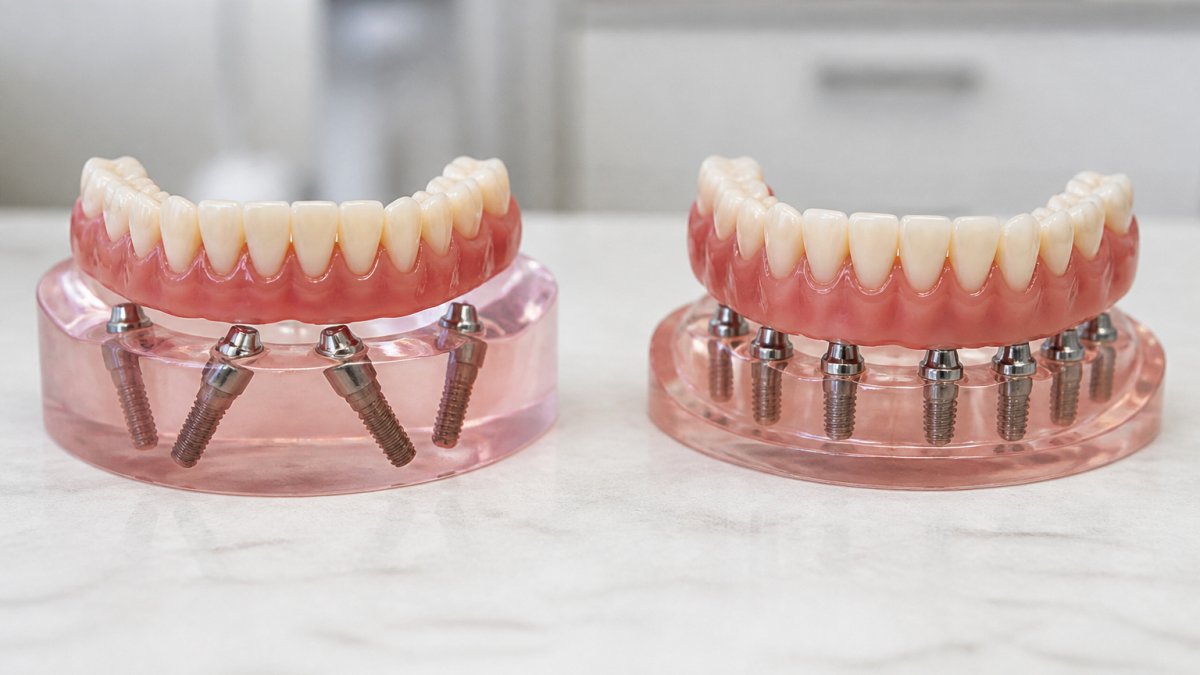
For patients who are tired of loose dentures, implant-supported dentures can be life changing. Instead of relying only on suction or adhesive, the denture connects to implants for a more secure fit. Many people notice a major difference in comfort, chewing ability, and confidence when speaking.
The best option depends on how many teeth are missing, how much support the jawbone can provide, and what level of stability you want. Some patients prioritize budget. Others are focused on the most fixed and natural-feeling result possible. A thoughtful consultation should address both.
What implants feel like after healing
This is one of the most common questions, and it is a good one. Patients do not just want a tooth replacement that looks better. They want it to feel normal.
Once fully healed, implants are intended to feel secure and integrated into your bite. You do not remove them for cleaning, and they do not move the way a removable appliance can. Most patients appreciate the sense of freedom that comes with that stability. Meals feel easier. Speech feels more natural. Smiling feels less self-conscious.
There is still an adjustment period during treatment, especially if a patient has been missing teeth for a long time or has relied on dentures for years. Expectations should be realistic. Even excellent treatment can involve healing phases and follow-up visits. But for many people, the end result is worth the patience.
How to protect your investment
Implants are low maintenance compared with some alternatives, but they are not maintenance-free. They still require daily care and regular dental visits. The surrounding gums and bone need to stay healthy, and the restoration needs to be monitored over time.
Good home care usually includes brushing, cleaning between teeth, and following any specific instructions for the restoration you receive. Routine checkups are just as important because they allow the dental team to monitor the implant, evaluate your bite, and address small issues before they become larger ones.
This is another reason relationship-based care matters. When your dental office understands your history, your restorations, and your long-term goals, your treatment stays more consistent. That kind of continuity can make a real difference in protecting both health and value.
Why experience and comfort matter with implant care
Implant dentistry is not only about placing a post in the jaw. It involves planning, precision, tissue health, bite alignment, esthetics, and patient comfort at every step. The clinical side matters, but so does the way the experience feels from start to finish.
Patients often want reassurance that they are not being pushed into treatment they do not need. They also want to know their concerns will be heard, especially if they are anxious about dental visits or worried about cost. A practice that combines advanced technology with a calm, welcoming approach tends to make the process feel much more manageable.
That is especially important for adults comparing options in a community like The Villages, where convenience, trust, and long-term relationships all matter. At Royal Dental at The Villages, that patient-first mindset is part of the experience, with care designed to feel both highly professional and genuinely personal.
Is now the right time to consider implants?
Sometimes the answer is yes right away. Sometimes the better answer is to start with an evaluation and build a treatment plan around your timing, health, and budget. If you have a missing tooth, a failing tooth, or a denture that no longer gives you the confidence you want, it may be the right moment to ask what is possible.
Dental implants are not a one-size-fits-all solution, and that is exactly why a personalized approach matters. The right care should fit your smile, your comfort level, and your long-term goals. When treatment is planned well, implants can offer the kind of stability and confidence that changes daily life in quiet but meaningful ways.
If you have been putting off the conversation, start there. A clear, caring evaluation can turn uncertainty into a plan that feels reassuring, realistic, and well worth considering.


Comments