

How to Fix Receding Gums and Protect Your Smile
A tooth that suddenly looks longer, a sharp twinge when you sip something cold, or a notch near the gumline can all point to gum recession. If you are wondering how to fix receding gums, the first step is understanding that exposed roots need more than a quick change in toothpaste. The right approach protects the tissue you still have, treats the cause, and helps preserve your smile for years to come.
Gum recession happens when gum tissue pulls away from the tooth, exposing more of the root surface. It can affect one tooth or several, and it is common enough that many people do not notice it until sensitivity or cosmetic changes become difficult to ignore. With attentive daily care and personalized professional treatment, it is often possible to stop recession from worsening and make your mouth much more comfortable.
Can Receding Gums Grow Back?
Gum tissue usually does not grow back on its own once it has receded. That does not mean there is nothing to be done. Treatment can control the underlying problem, reduce sensitivity, improve the appearance of the gumline, and in some cases restore coverage over exposed roots with a gum graft or another periodontal procedure.
The best treatment depends on why the recession happened and how much tissue has been lost. A small area of recession caused by brushing too hard needs a different solution than recession related to gum disease, bite pressure, or tooth movement. That is why a dental examination is the most useful starting point.
What Causes Gum Recession?
Receding gums are not always a sign that someone has neglected their oral health. Some people naturally have thinner gum tissue or a more prominent tooth position that makes recession more likely. Still, several common factors can contribute.
Plaque and tartar buildup can lead to gum inflammation and periodontal disease, which may damage the bone and tissue that support your teeth. Brushing with excessive pressure, using a hard-bristled brush, or scrubbing side to side can gradually wear away the gumline. Tobacco use, teeth grinding, poorly positioned teeth, lip or tongue piercings, and hormonal changes may also play a role.
Sometimes the cause is a combination. For example, a patient may have naturally thin gums and also brush aggressively because they are trying to keep their teeth exceptionally clean. Identifying the full picture helps your dentist recommend care that is both effective and comfortable.
How to Fix Receding Gums: Start With the Cause
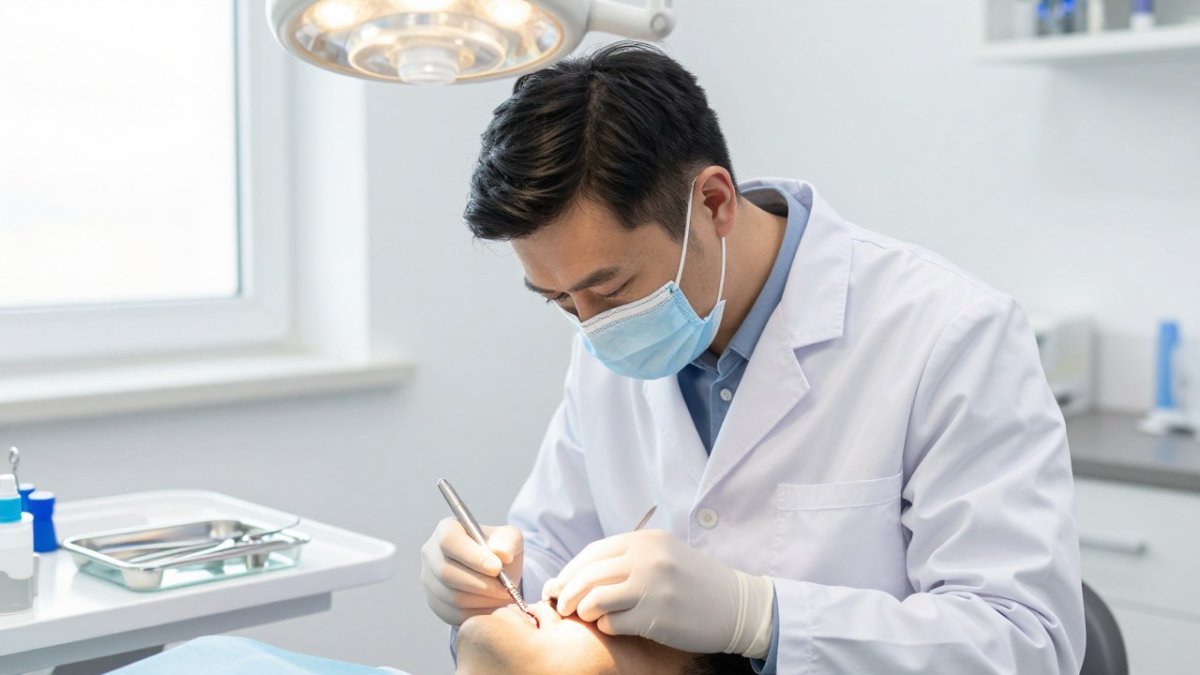
A professional evaluation can determine whether recession is stable or still progressing. Your dental team may measure the gum pockets around each tooth, check for bleeding and inflammation, review X-rays for bone loss, and evaluate your bite and brushing habits. These details matter because the goal is not simply to cover an exposed root. It is to prevent more tissue from being lost.
If gum disease is present, treatment may begin with a thorough cleaning below the gumline, often called scaling and root planing. This removes hardened deposits and bacteria from areas a routine cleaning cannot reach. Some patients also need ongoing periodontal maintenance visits to keep inflammation under control.
If brushing trauma is the likely cause, a change in technique can make a meaningful difference. A dentist or hygienist can show you how to clean thoroughly without putting pressure on the delicate tissue at the gumline. If nighttime grinding is contributing to recession or tooth wear, a custom nightguard may help reduce damaging force.
Daily Habits That Protect Your Gumline
Home care cannot replace treatment for active gum disease, but it is essential for protecting the results of professional care. Choose a soft-bristled toothbrush or an electric toothbrush with a pressure sensor. Hold the bristles at a gentle angle toward the gumline and use small, controlled motions rather than forceful scrubbing.
Brush twice a day with fluoride toothpaste, especially if recession has made your roots sensitive. Root surfaces are softer than enamel and more vulnerable to decay. A sensitivity toothpaste may help reduce discomfort over time, although it will not correct the recession itself.
Clean between your teeth every day with floss, an interdental brush, or another tool recommended for your smile. The right option depends on the spacing between your teeth and the health of your gums. Avoid snapping floss harshly into the gums. Instead, guide it gently around each tooth in a C-shape.
Tobacco can make gum problems harder to manage and may slow healing after treatment. If you use cigarettes, cigars, smokeless tobacco, or vaping products, stopping is one of the most beneficial choices you can make for your gums and overall health.
When Gum Grafting May Be Recommended
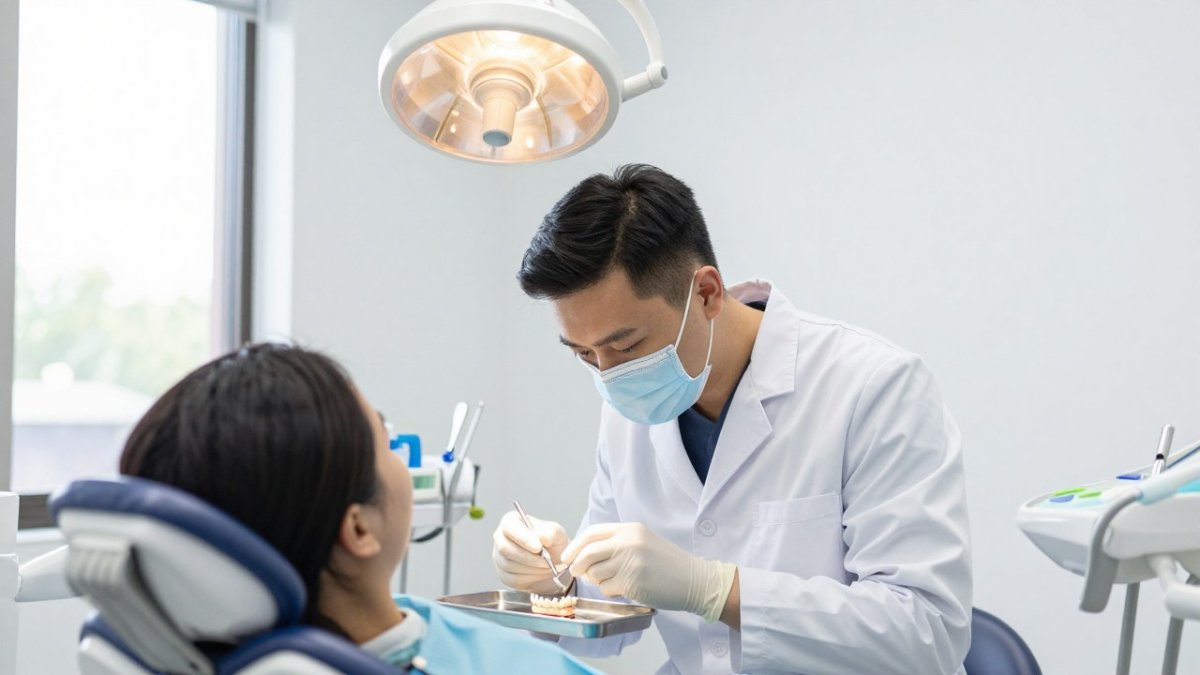
For moderate or advanced recession, your dentist may recommend a consultation with a periodontist, a specialist in gum health. Gum grafting is a procedure that adds tissue to an area where the root is exposed. The tissue may come from your own mouth or from carefully prepared donor material, depending on your needs and the technique used.
Grafting can help cover exposed roots, reduce sensitivity, protect against root decay, and create a more balanced-looking gumline. It is often considered when recession is progressing, when the tooth is difficult to keep clean, or when the appearance of the smile is a concern.
Not every recessed area needs a graft. If the recession is minor, stable, and easy to clean, conservative care and regular monitoring may be the best choice. Your dentist can explain the trade-offs, expected result, healing process, and cost so you can make an informed decision.
Do Not Ignore Sensitivity or Bleeding
Cold sensitivity is sometimes blamed on a cavity, but recession can expose root surfaces and create the same uncomfortable sensation. You may also notice tenderness during brushing, bleeding when you floss, bad breath that does not improve, or teeth that appear to be shifting.
Schedule a dental visit promptly if your gums are bleeding regularly, swelling, pulling away quickly, or producing pus. Loose teeth, changes in your bite, and persistent pain also deserve timely attention. These symptoms can signal periodontal disease or another issue that needs more than at-home care.
Early care is generally more conservative, more comfortable, and easier to manage than waiting until recession has advanced. At Royal Dental at The Villages, personalized examinations and modern diagnostic tools help patients understand what is happening beneath the gumline, without making the experience feel intimidating.
Protect the Smile You Have Today
Be cautious with online remedies that promise to regrow gums overnight. Oils, supplements, and DIY treatments may feel appealing, but they cannot replace a diagnosis or rebuild lost supporting bone. Gentle brushing, daily interdental cleaning, and routine dental visits are far more valuable than harsh home treatments that can irritate already-sensitive tissue.
Your gums are the foundation around every tooth. A calm, early conversation with a dental professional can turn a worrying change in the mirror into a clear plan for protecting your comfort, health, and confidence.

Comments