
Is Full Mouth Reconstruction Worth It for Seniors?
Table of Contents
What Is Full Mouth Reconstruction?
Who Are Candidates for Full Mouth Reconstruction?
Key Benefits of Full Mouth Reconstruction for Seniors
Full Mouth Reconstruction Cost for Seniors
Full Mouth Reconstruction Recovery Time and What to Expect
Dental Implants for Seniors Over 70: Safety and Success
Potential Risks and Drawbacks to Consider
Is It Worth It? The Verdict for Your Situation
Frequently Asked Questions
Last Updated: September 26, 2026
What Is Full Mouth Reconstruction?
Full mouth reconstruction is a comprehensive dental treatment addressing multiple tooth loss, severe decay, bite problems, and other oral health issues. Rather than treating individual teeth, it restores function, aesthetics, and long-term health across your entire dental structure.
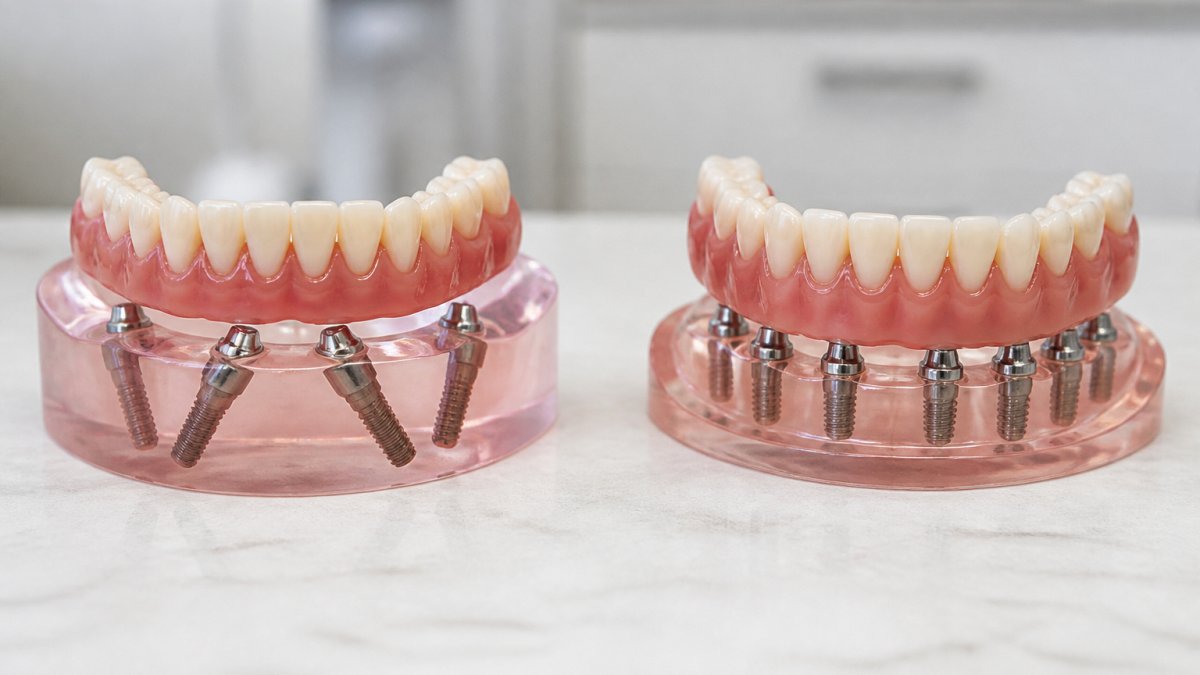
The procedure combines restorative techniques: dental implants anchor artificial teeth into the jawbone, crowns restore damaged teeth, bridges fill gaps, veneers improve appearance, and bone grafting rebuilds jawbone density when needed.
Full mouth reconstruction addresses functional problems, painful eating, difficult speaking, uncomfortable smiling, that piecemeal repairs cannot solve, which is why is full mouth reconstruction worth it for seniors, especially those with decades of wear and decay.
Your dentist evaluates bite alignment, bone density, remaining tooth health, and oral structure to create a personalized treatment plan, which may take several months or as little as 24 hours depending on the approach.
Key Takeaway Full mouth reconstruction is a coordinated treatment plan that restores your entire mouth's function and appearance, not just individual teeth.
Who Are Candidates for Full Mouth Reconstruction?
Seniors are ideal candidates when experiencing significant tooth loss, chronic pain, or difficulty eating and speaking. Age alone doesn't disqualify you; overall health and commitment matter most.
Good candidates have multiple missing or severely damaged teeth, have worn dentures and want a permanent alternative, experience severe bite problems causing jaw pain, or have extensive decay.
Conditions like diabetes or heart disease don't automatically disqualify you but require careful management. Bone density is critical for implant success; imaging assesses this, and grafting can rebuild bone if needed.
Realistic expectations are essential: full mouth reconstruction is a significant undertaking requiring excellent oral hygiene and regular follow-up appointments. Smokers face higher complication rates; quitting before treatment significantly improves outcomes.
Honest assessment of your health, motivation, and goals is key.
Key Benefits of Full Mouth Reconstruction for Seniors
The most immediate benefit is pain relief. Seniors with severe decay, broken teeth, or ill-fitting dentures often experience chronic pain affecting eating, speaking, and quality of life. Reconstruction eliminates this suffering.
Restored chewing function transforms daily life. Many seniors eating only soft foods can enjoy fresh vegetables, nuts, and lean proteins again, improving nutrition and independence.

Speech clarity improves significantly. Restored teeth and proper bite alignment restore clear speech, boosting confidence in social and professional interactions.
Psychological benefits are substantial. Many seniors with significant tooth loss avoid smiling and social activities. Reconstruction restores confidence and full engagement in life.
Long-term oral health stabilizes. Tooth loss triggers a domino effect, remaining teeth shift, bite worsens, bone loss accelerates. Reconstruction halts this deterioration.
Systemic health often improves. Severe tooth loss and periodontal disease link to heart disease, stroke, and diabetes complications. Eliminating chronic oral infection reduces these risks.
Full Mouth Reconstruction Cost for Seniors
Cost varies widely based on the number of implants needed, whether bone grafting is required, restoration type, and geographic location.
Comprehensive full mouth reconstruction typically involves 6-12 implants, bone grafting, multiple crowns, and specialized procedures, reflecting the complexity and long-term value.
Financing options include payment plans spreading costs over months or years, reduced-cost treatment at dental schools, and new patient discounts. Royal Dental at The Villages provides a 10% discount on dental work and implants for new patients.
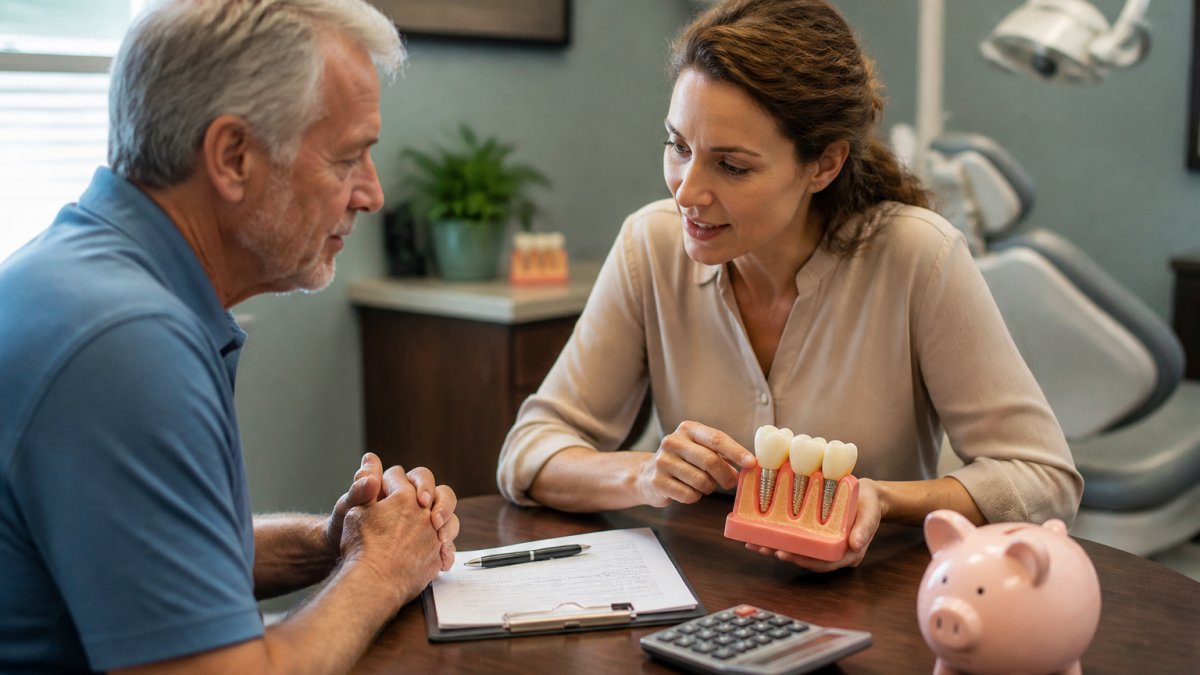
Insurance coverage is typically limited, with most plans capping annual benefits at $1,000-$2,000 and not covering cosmetic procedures or implants fully. Medically necessary treatment may receive better coverage. Discuss specifics with your dentist beforehand.
Medicare doesn't cover routine dental care, though some Medicare Advantage plans include dental benefits. Veterans may qualify through the VA. Medicaid coverage varies by state.
Full Mouth Reconstruction Recovery Time and What to Expect
Recovery varies by procedure. Same-day implant placement with immediate restoration is possible at Royal Dental at The Villages, offering full mouth restoration in 24 hours. However, complete healing and osseointegration takes 3-6 months.
Expect swelling and discomfort immediately after placement. Ice reduces swelling in the first 24-48 hours; pain is manageable with medication. Most return to light activity within days.
For the first week, eat soft foods, soups, yogurt, smoothies, mashed vegetables. Avoid hot foods for the first few days. Gradually reintroduce firmer foods after one week.
Oral hygiene requires careful attention. You'll receive specific instructions about cleaning around implants and newly placed restorations. Gentle care prevents infection and promotes proper healing.
Mobility-impaired seniors sometimes worry about managing recovery alone. Having assistance available for the first few days helps with meal preparation and general care. Most seniors manage recovery independently after this initial period.
Temporary restorations may feel different initially. Your bite, speech, and eating patterns will feel unusual for the first few weeks. Your mouth adapts quickly, most people adjust within 2-4 weeks.
Full healing and bone integration takes 3-6 months. During this time, avoid heavy chewing on the surgical side. Your dentist will monitor healing with follow-up appointments and imaging.
Dental Implants for Seniors Over 70: Safety and Success
Age is not a barrier to successful dental implants. Many seniors over 70 have completed successful implant treatment. What matters is your overall health, bone density, and commitment to aftercare, not your chronological age.
Implant success rates remain high in older adults. Complications are uncommon when proper patient selection and surgical technique are used.
Health conditions require evaluation. Diabetes, heart disease, and osteoporosis don't automatically disqualify you, but they need management. Your dentist will coordinate with your physician to ensure treatment is safe given your specific health profile.
Bone density is the primary concern. Osteoporosis or significant bone loss can compromise implant stability. Your dentist uses imaging to assess bone quality. If density is inadequate, bone grafting can rebuild it before implants are placed.
Sedation options reduce anxiety. Many seniors experience dental anxiety from past experiences or general nervousness about procedures. IV sedation allows you to remain comfortable and relaxed throughout treatment. This is particularly valuable for complex procedures requiring several hours.
Recovery in older adults follows the same timeline as younger patients. Age doesn't slow healing significantly. Most seniors over 70 recover from implant placement as quickly as younger patients.
Long-term success depends on aftercare. Excellent oral hygiene, regular dental visits, and avoiding smoking support implant longevity. Seniors who maintain these habits enjoy implants for 20-30 years or longer.
Pro Tip Many seniors over 70 successfully complete full mouth reconstruction. Your dentist can assess your individual candidacy through health evaluation and bone imaging.
Potential Risks and Drawbacks to Consider
Infection is a possible complication, though uncommon with proper surgical technique and aftercare. Signs include fever, excessive swelling, or pus discharge. Prompt treatment with antibiotics typically resolves infection quickly.
Implant failure occurs in a small percentage of cases. Failure usually happens during the first few months if osseointegration doesn't occur properly. Failed implants can be replaced, though this requires additional time and expense.
Bone loss can continue even with implants if oral hygiene lapses. Maintaining excellent cleaning around implants prevents the bone loss that leads to implant failure.
Sinus complications may occur with upper implants placed near the sinus cavity. Your dentist assesses sinus anatomy before placement. When proper technique is used, sinus problems are rare.
Nerve damage is possible but uncommon. Temporary numbness or tingling may occur; permanent damage is rare when experienced surgeons perform the procedure.
Cost is substantial and may strain finances. The upfront investment is significant, and insurance coverage is typically limited. Payment plans help, but the financial commitment remains considerable.
Multiple procedures extend treatment timeline. If bone grafting is needed, you may wait 4-6 months before implants can be placed. Comprehensive reconstruction often takes 6-12 months from start to finish, though same-day options can accelerate this timeline.
Maintenance is lifelong. Implants require excellent oral hygiene, regular professional cleanings, and periodic monitoring. This commitment is necessary to prevent complications and ensure long-term success.
Is It Worth It? The Verdict for Your Situation
For most seniors with significant tooth loss and the health to undergo treatment, the answer to whether is full mouth reconstruction worth it for seniors is yes, it's worth the investment. The transformation in quality of life, pain relief, restored function, improved nutrition, renewed confidence, justifies the time and financial commitment for many people.
The decision hinges on your specific situation.
Consideration | What It Means | Your Action |
Overall health | Conditions like diabetes need management but don't disqualify you | Discuss with your physician before scheduling |
Bone density | Adequate bone supports implant success | Imaging will assess this during evaluation |
Financial capacity | Cost is significant; payment plans help | Review financing options with your dentist |
Aftercare commitment | Excellent hygiene and regular visits are essential | Confirm you can maintain this routine |
Timeline expectations | Treatment may take 6-12 months, or 24 hours for expedited options | Discuss your preferred timeline with your dentist |
Frequently Asked Questions
Is it worth getting dental implants at 70 years old?
Yes, for many seniors over 70, dental implants offer significant benefits. Age alone is not a barrier, what matters is overall health and bone density. Dental implants for seniors over 70 can restore chewing function, improve nutrition, and enhance confidence. Success rates remain high when patients are medically cleared and maintain good oral hygiene. Discuss your specific health conditions with your dentist to determine if implants are appropriate for you.
Does Medicare cover full mouth reconstruction for seniors?
Medicare typically does not cover dental services, including full mouth reconstruction. Most dental work falls outside Medicare's coverage scope. However, some seniors have supplemental dental insurance through private plans or employer-sponsored retiree benefits. Medicaid coverage varies by state. Contact your insurance provider and discuss payment plans or financing options with your dental office to understand your out-of-pocket costs.
How long does full mouth reconstruction last?
With proper care, full mouth reconstruction can have long-term durability when patients maintain excellent oral hygiene and attend regular checkups. Crowns and bridges may need replacement or repair over time. The longevity depends on your commitment to daily care, professional cleanings, and addressing any issues promptly. Your dentist will provide specific maintenance guidance based on your treatment.
What are the primary health benefits of full mouth reconstruction for seniors?
Full mouth reconstruction restores chewing function, allowing better nutrition and digestion. It prevents bone loss in the jaw, which occurs naturally after tooth loss. Improved speech clarity and bite alignment enhance quality of life. The procedure also reduces the risk of oral infections and periodontal disease. Beyond physical health, many seniors report improved confidence and psychological well-being after successful reconstruction.
Inquiry Services Page

Comments