
Is Oral Sedation Worth It for Cleanings?
Table of Contents
What Oral Sedation Dentistry Is and How It Works for Cleanings
Oral Sedation Dentistry Pros and Cons for Routine Cleanings
Oral Sedation vs. Nitrous Oxide for Cleaning Anxiety
How Long Does Oral Sedation Last After Your Cleaning
Dental Sedation Safety and Side Effects You Should Know
Who Should Consider Oral Sedation for a Cleaning
Cost and Practical Logistics of Oral Sedation for Cleanings
Frequently Asked Questions
Last Updated: October 10, 2026
What Oral Sedation Dentistry Is and How It Works for Cleanings
Oral sedation dentistry is the use of sedative medication taken by mouth to help patients relax during dental procedures. Oral sedation cleanings use this approach to help anxious patients complete routine cleanings comfortably. The medication takes effect within 30 minutes, leaving you conscious but deeply relaxed, awake but unconcerned, able to respond to instructions while anxiety and discomfort fade significantly.
For routine cleanings, oral sedation reduces the brain's perception of threat and discomfort, helping patients with dental anxiety, strong gag reflexes, or difficulty sitting still stay relaxed during plaque and tartar removal. Patients with previous negative dental experiences benefit most because it breaks the cycle of fear and avoidance.
The medication is typically a benzodiazepine prescribed by your dentist. Unlike general anesthesia, you remain conscious and don't require intubation. Your dentist monitors vital signs throughout. The appointment takes longer than a standard cleaning, but reduced anxiety makes it genuinely different for nervous patients.
Oral Sedation Dentistry Pros and Cons for Routine Cleanings
Oral sedation offers real advantages if dental anxiety has kept you away from the dentist. You'll feel calm and detached, making you more likely to attend regular appointments. This consistency improves long-term oral health because prevention becomes manageable.
Pros of oral sedation for cleanings:
Dramatically reduces anxiety and fear, making the appointment tolerable for nervous patients
Allows the hygienist to work more efficiently because you're relaxed and cooperative
Eliminates the sensation of discomfort, even though your teeth aren't numb
Helps patients with sensitive teeth or a strong gag reflex complete cleanings that would otherwise be difficult
Requires less equipment and fewer personnel than IV sedation
Cons of oral sedation for cleanings:
Adds to the overall cost of your cleaning appointment
Requires someone to drive you home because you'll be drowsy for several hours
Takes additional appointment time for medication to take effect and wear off
May not be suitable if you have certain medical conditions or take medications that interact with sedatives
Some patients experience mild grogginess or headache afterward
The trade-off is whether added cost and logistics justify anxiety relief. For mild anxiety, simpler options exist. But for someone who avoids the dentist entirely, oral sedation can mean the difference between regular care and years of neglect.
Oral Sedation vs. Nitrous Oxide for Cleaning Anxiety
When managing cleaning anxiety, you have options beyond medication. Understanding the spectrum, from behavioral strategies to light sedation to deeper sedation, helps you choose the least invasive approach that works.
Non-drug anxiety management strategies:
Before considering any medication, discuss these approaches with your dentist or hygienist:
Communication and control signals: Agree on a hand signal that means "pause." Knowing you can stop reduces anxiety. Some hygienists narrate in real time, reducing fear of the unknown.
Scheduled breaks: Request pauses every 5-10 minutes to rinse, breathe, and reset.
Headphones and distraction: Music or podcasts redirect attention from the procedure.
Topical numbing agents: Flavored topical anesthetic reduces needle sensation without systemic medication.
Breathing techniques: Slow, deep breathing activates your parasympathetic nervous system and counteracts fight-or-flight response.
For mild anxiety, these strategies often work, they cost nothing, have no side effects, and require no recovery time.
Nitrous oxide (laughing gas):
Nitrous oxide is inhaled through a nose mask, producing mild euphoria and calm. You remain fully alert and can communicate clearly. It takes effect within 2-3 minutes and wears off immediately, no recovery time or driving restrictions.
Nitrous oxide works well for mild to moderate anxiety, costs less ($50-$100 versus $150-$300), and has no aftereffects. However, it provides lighter relaxation than oral sedation and may be insufficient for severe anxiety or strong gag reflex.
A small percentage of patients (5-10%) don't respond well to nitrous oxide or experience mild nausea.
Oral sedation:
Oral sedation cleanings (typically using a benzodiazepine like triazolam or midazolam) produce deeper relaxation than nitrous oxide.
Oral sedation is appropriate for severe anxiety, strong gag reflex, or difficulty sitting still. It's more invasive than nitrous oxide and carries a small risk of side effects (drowsiness, headache, nausea, rare respiratory depression), which is why your dentist screens your medical history and monitors vital signs.
Comparison framework:
Factor | Non-Drug Strategies | Nitrous Oxide | Oral Sedation |
Anxiety Relief | Mild to moderate | Mild to moderate | Moderate to severe |
Cost | Free | $50-$100 | $150-$300+ |
Recovery Time | None | None | 6-8 hours |
Driving Restriction | No | No | Yes |
Medical Screening | Minimal | Minimal | Extensive |
Best For | Mild anxiety, control-seekers | Mild to moderate anxiety | Severe anxiety, gag reflex, needle fear |
How to choose:
Start with the least invasive option. If you're nervous but can tolerate the appointment with communication and breaks, try that first. If mild anxiety persists, ask about nitrous oxide, it's low-risk and often sufficient. Reserve oral sedation for situations where lighter options haven't worked or your anxiety is severe.
According to clinical guidelines from the American Dental Association, this stepped approach, starting with behavioral strategies, moving to light sedation if needed, then deeper sedation only when necessary, is the standard recommendation. A consultation with your dentist can help identify which level matches your anxiety and your cleaning needs.
How Long Does Oral Sedation Last After Your Cleaning
The sedative medication typically wears off within 2-4 hours, but residual drowsiness can linger 6-8 hours. You cannot drive immediately after oral sedation for a cleaning because reaction time and judgment remain impaired.
Have someone pick you up and stay home for the rest of the day. Avoid machinery, important decisions, and activities requiring full alertness. Light activities are fine within a few hours, but wait until the next day to drive.
Duration depends on medication, body weight, metabolism, and overall health. Older adults may experience longer recovery. Schedule for a day when you can clear your afternoon and evening.
Dental Sedation Safety and Side Effects You Should Know
Oral sedation for cleanings is generally safe when administered by a trained dentist, but carries potential side effects and risks you should understand.
Common side effects include:
Drowsiness and grogginess for several hours
Mild headache or dizziness
Nausea in a small percentage of patients
Dry mouth
Temporary memory gaps about the procedure
Serious but rare side effects:
Respiratory depression (slowed breathing), which is why your dentist monitors vital signs
Allergic reaction to the medication
Interactions with other medications you're taking
Complications in patients with certain medical conditions (heart disease, sleep apnea, liver problems)
Your dentist will review your complete medical history and current medications. This screening is essential because some conditions and drug interactions make sedation unsafe. Patients with uncontrolled high blood pressure, certain heart conditions, or severe sleep apnea may not be candidates.
According to safety protocols from the American Academy of Oral and Maxillofacial Surgeons, trained dentists use pulse oximetry and blood pressure monitoring during sedation to catch any problems early. The risk of serious complications is very low in healthy patients receiving sedation for routine cleanings, but it's not zero, which is why proper screening and monitoring matter.
Who Should Consider Oral Sedation for a Cleaning

You're a good candidate for oral sedation if you have significant dental anxiety that prevents regular care, a strong gag reflex that interferes with cleanings, or low pain tolerance. If you've avoided the dentist for years because of fear, oral sedation can make returning to care manageable.
Patients with traumatic dental experiences often benefit from sedation. Oral sedation interrupts the fear response and helps rebuild trust in dental care.
You may also be a candidate if you have physical difficulty sitting still. Patients with ADHD, autism spectrum traits, or anxiety disorders often find it difficult to remain motionless. Oral sedation's relaxing effect makes stillness possible.
However, oral sedation is not necessary for everyone. If you have mild anxiety or no anxiety, the added cost and logistics don't justify sedation. If nitrous oxide provides adequate relief, that's often a better first choice.
A consultation helps determine what serves your situation rather than assuming everyone benefits equally from sedation.
Cost and Practical Logistics of Oral Sedation for Cleanings
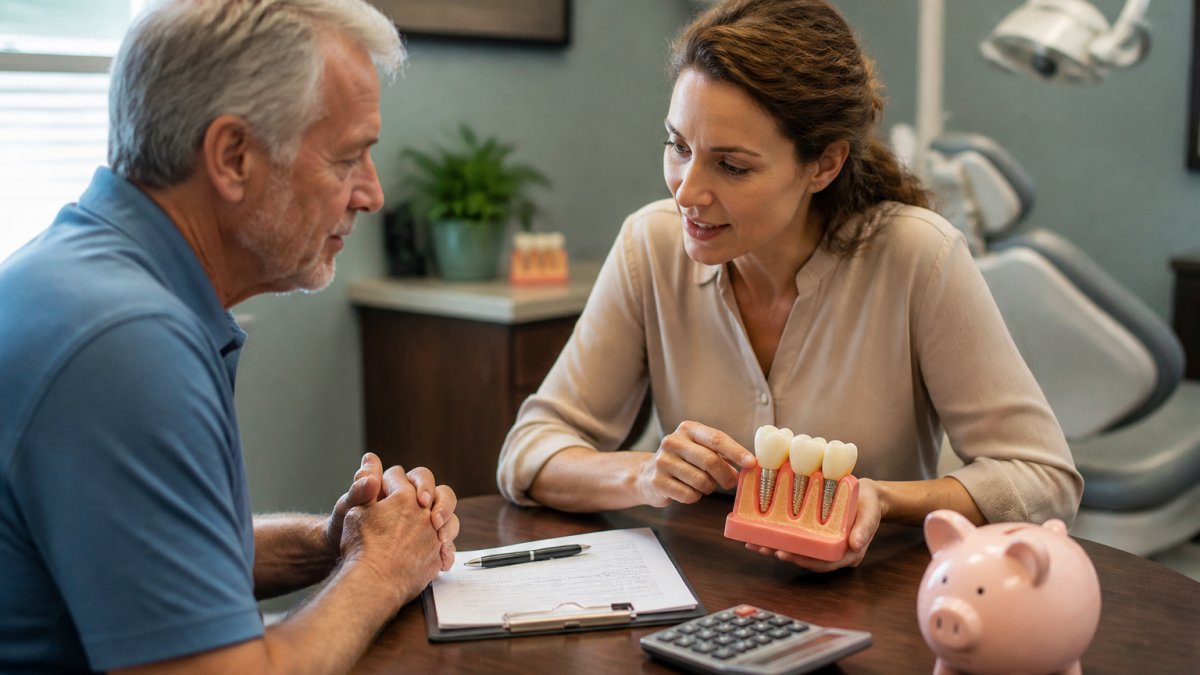
A routine professional cleaning typically costs $75-$200. Oral sedation adds $150-$300 or more, depending on medication, dosage, and monitoring time. Total out-of-pocket cost for a sedated cleaning could range from $225-$500 or higher if uninsured or high deductible. Insurance coverage varies: some plans exclude sedation entirely, others cover it only if medically necessary. Contact your insurance provider before scheduling to confirm coverage.
Pre-appointment preparation checklist:
Fast for 2-4 hours before your appointment to reduce nausea risk. You should also:
Bring a complete list of all medications and supplements. Benzodiazepines interact with certain blood pressure medications, antihistamines, and opioids.
Inform your dentist if you have sleep apnea. Sedatives can depress breathing.
Disclose any history of liver or kidney disease, as these organs metabolize sedatives.
Mention if you're pregnant or breastfeeding.
Report any previous adverse reactions to sedatives or anesthesia.
Avoid alcohol for at least 24 hours before your appointment.
Day-of logistics:
Arrange transportation before your appointment. You cannot legally drive for at least 6-8 hours after oral sedation, and many dentists recommend waiting until the next day. If you're sedated in the morning, plan to have someone pick you up by early afternoon. If your appointment is in the afternoon, you'll likely need to stay home that evening.
Wear comfortable, loose-fitting clothing and avoid jewelry or accessories that might get in the way during the cleaning. Plan for the appointment to take 60-90 minutes total (longer than a standard 30-45 minute cleaning) because the medication needs time to take effect and you'll need recovery time before leaving.
Post-appointment recovery:
You may feel drowsy, slightly dizzy, or have mild memory gaps about the cleaning itself, this is normal and temporary. Avoid making important decisions, signing documents, or handling finances for the rest of the day. Some patients experience mild headache or dry mouth; staying hydrated helps. You can eat light foods once you feel alert enough, but avoid hot foods or drinks until your mouth sensation fully returns (usually within an hour).
Most people can return to work or normal activities the next day, though some feel residual grogginess the morning after. If you have a physically demanding job, consider scheduling your cleaning for a Friday so you have the weekend to recover fully.
Value assessment:
To decide if the added cost is worth it, ask yourself: Has dental anxiety kept me from regular cleanings in the past? If yes, oral sedation may prevent years of neglect and more expensive treatment later. If you attend cleanings regularly without anxiety, the extra $150-$300 and logistics burden usually aren't justified.
Frequently Asked Questions
Is oral sedation safe for a dental cleaning?
Oral sedation is generally safe when administered by a qualified dentist who reviews your medical history and current medications. The sedative used is carefully dosed for routine cleanings. However, safety depends on proper screening for health conditions, medication interactions, and individual risk factors. Your dentist will evaluate whether oral sedation is appropriate for you before proceeding. Always disclose your full medical history and any medications you take.
How long does oral sedation last after a dental appointment?
Oral sedation typically lasts 1 to 4 hours after your cleaning, depending on the medication dose and your individual metabolism. Most patients feel drowsy for the first 1 to 2 hours and gradually return to normal alertness. You'll need an escort to drive you home and should avoid operating machinery, making important decisions, or consuming alcohol for at least 24 hours. Plan your schedule accordingly and arrange transportation before your appointment.
What are the side effects of oral sedation dentistry?
Common side effects include drowsiness, dizziness, headache, and mild nausea, which typically resolve within a few hours. Some patients experience dry mouth or temporary memory gaps during the procedure. Serious side effects are rare but can include respiratory depression or allergic reactions. Your dentist screens for contraindications and monitors you during the appointment. Report any concerning symptoms to your dental team immediately.
Is oral sedation or nitrous oxide better for dental anxiety during a cleaning?
Oral sedation provides deeper relaxation and is better for severe anxiety or patients with a strong gag reflex, though it requires more recovery time and an escort. Nitrous oxide (laughing gas) offers mild relaxation, lets you drive home immediately, and costs less, but provides lighter anxiety relief. Your choice depends on anxiety severity, medical history, schedule flexibility, and cost tolerance. Discuss both options with your dentist to determine which suits your needs.
Inquiry Services Page

Comments