
Maintain a Youthful Smile After 60: A Practical Guide
Table of Contents
How Aging Affects Your Smile
Medication-Induced Dry Mouth (Xerostomia): The Silent Accelerator of Decay
Other Age-Related Changes
Daily Oral Hygiene Routines That Protect Your Teeth
Best Dental Implants for Seniors
How to Fix Yellowing Teeth After 60
Full-Mouth Restoration Options
Managing Gum Recession and Periodontal Health
The Nutritional Foundation: Why Calcium, Vitamin D, and Collagen Matter
Clinical Treatment of Gum Recession
Prevent Further Recession
Preventing Tooth Shifting With Retainers
Maintain a Youthful Smile After 60: Your Action Plan
Frequently Asked Questions
Last Updated: October 1, 2026
How Aging Affects Your Smile
Your smile changes as you age, but understanding these changes helps you maintain youthful smile after 60.
Common age-related changes include tooth discoloration, gum recession, decreased bone density, enamel wear, and medication-induced dry mouth.
Medication-Induced Dry Mouth (Xerostomia): The Silent Accelerator of Decay
Xerostomia, medication-induced dry mouth, is one of the most overlooked threats to a youthful smile after 60, directly accelerating tooth decay and gum disease.
Saliva neutralizes acids, washes away food debris, and contains antimicrobial compounds (Dry Mouth). Without it, teeth become vulnerable to rapid decay despite good hygiene.
Common medications that cause dry mouth include:
Antihypertensives (blood pressure medications like lisinopril, metoprolol)
Antidepressants and anti-anxiety drugs (sertraline, paroxetine, alprazolam)
Antihistamines (diphenhydramine, cetirizine)
Decongestants (pseudoephedrine)
Diuretics (furosemide)
Pain medications (opioids)
Anticholinergics (used for overactive bladder, Parkinson's)
If you take three or more medications, dry mouth risk increases significantly, yet many seniors don't realize their medication is the culprit.
What to do:
Ask your doctor or pharmacist which medications cause dry mouth. Explore alternatives, sometimes switching to a different drug in the same class resolves the issue without sacrificing your health.
Increase saliva production with sugar-free xylitol gum or lozenges, which stimulate saliva flow and inhibit decay-causing bacteria.
Use a saliva substitute if natural saliva is severely reduced. Products like Biotène or Salivart provide temporary relief and contain enzymes that mimic natural saliva.
Drink water frequently throughout the day, not just at meals.
Avoid alcohol and tobacco, which worsen dry mouth. Alcohol-based mouthwashes also dry out your mouth; ask your dentist for alcohol-free alternatives.
See your dentist more often. With medication-induced dry mouth, schedule cleanings every 3-4 months instead of twice yearly. Your dentist may recommend prescription fluoride gel or rinse for extra protection.
Pro Tip If dry mouth is severe and lifestyle changes don't help, ask your doctor about pilocarpine (Salagen) or cevimeline (Evoxac), prescription medications that stimulate saliva production. These are particularly useful for seniors on multiple medications.
Other Age-Related Changes
Beyond dry mouth, gum recession, bone density loss, enamel thinning, and increased plaque buildup are all preventable or treatable. Early intervention, especially addressing dry mouth and bone loss, prevents cascading problems that become expensive and difficult to fix later.
Daily Oral Hygiene Routines That Protect Your Teeth
Consistent daily care is the foundation of a youthful smile, and technique matters more than effort.
Use a soft-bristled toothbrush and brush for two minutes, twice daily, focusing on the gum line where plaque collects.

Floss daily to remove plaque between teeth. If traditional floss is difficult, try water flossers, interdental picks, floss threaders, or electric floss devices.
Use fluoride toothpaste (pea-sized amount) and don't rinse completely after brushing to let fluoride sit on your teeth.
Consider an antimicrobial rinse if you have gum recession. This helps control bacteria that cause periodontal disease. Ask your dentist which rinse works best for your situation.
Key Takeaway Two minutes of brushing twice daily with a soft brush, daily flossing, and fluoride toothpaste form the core defense against tooth decay and gum disease as you age.
Best Dental Implants for Seniors
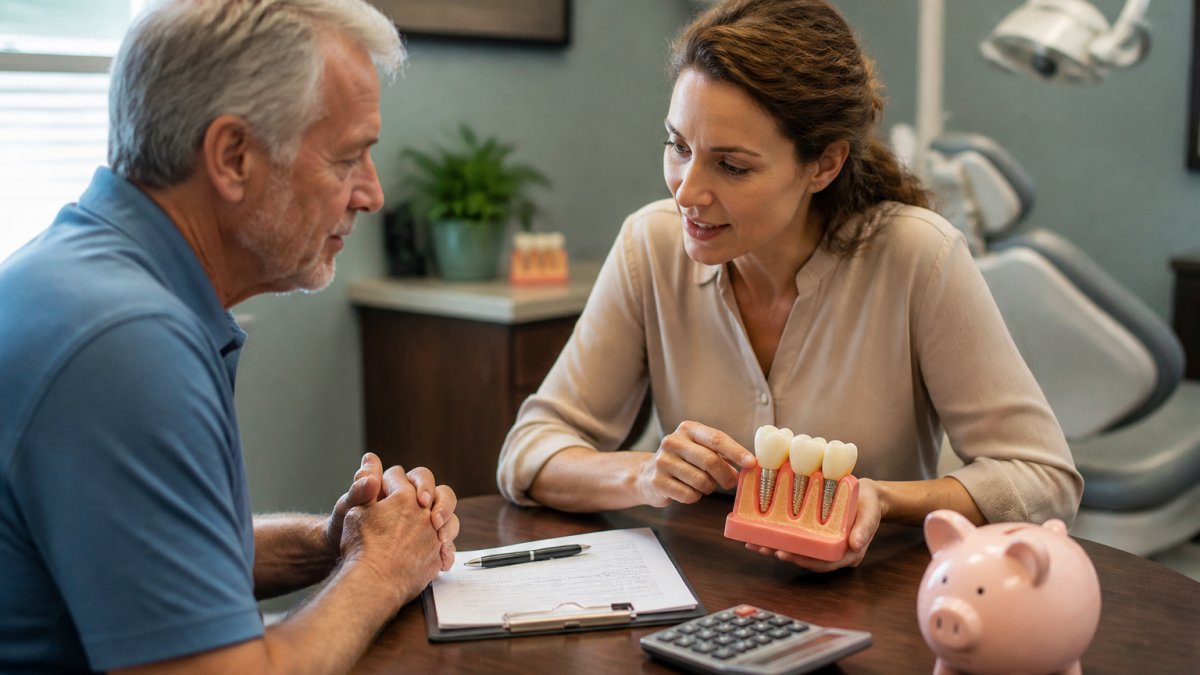
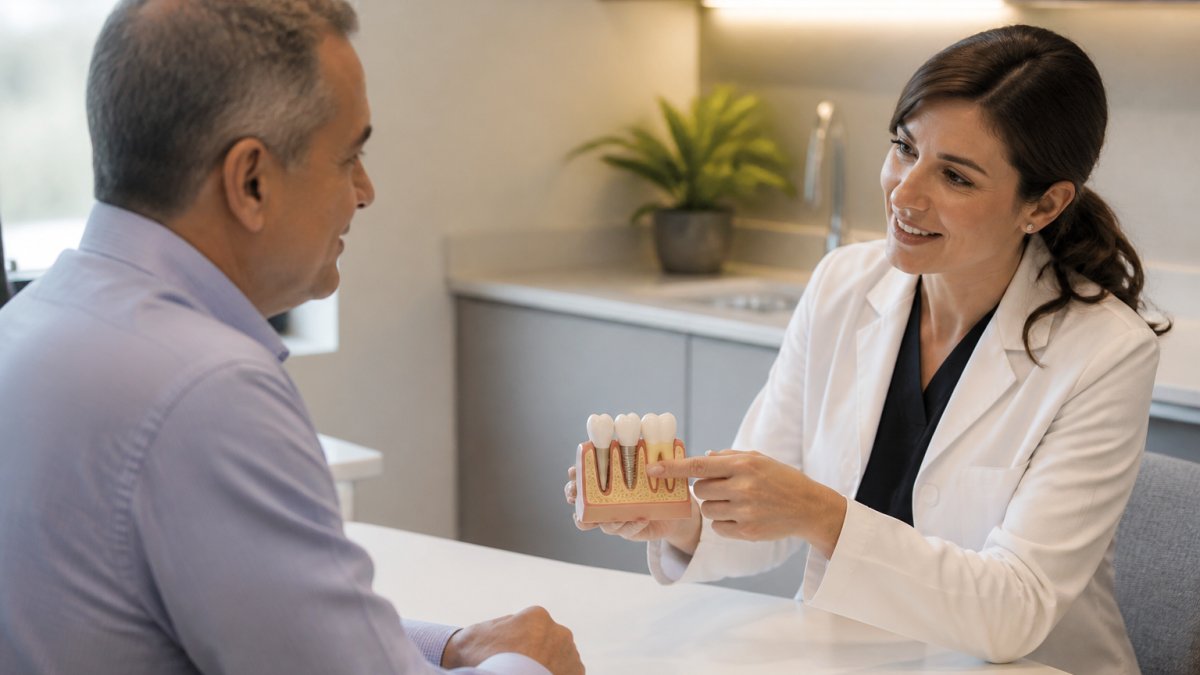
Dental implants replace missing teeth with a permanent solution. They look natural and function like real teeth.
An implant has three parts: the titanium post (in bone), the abutment (connecting post to crown), and the crown (visible tooth).
Implants preserve bone structure, don't require grinding adjacent teeth, last 20+ years with proper care, restore full chewing function, and look natural.
The process typically takes several months as bone fuses with the implant before crown placement. Royal Dental at The Villages offers same-day implants for qualified candidates.
Most people return to soft foods within a week and resume normal eating in 4-6 weeks.
Watch Out Implants require healthy gums and adequate bone. If you have severe gum disease or significant bone loss, you may need preparatory treatments like scaling and root planing or bone grafting before implant placement.
How to Fix Yellowing Teeth After 60
Yellowing occurs as enamel thins with age, revealing yellow dentin, and external stains accumulate from coffee, tea, wine, and tobacco.
Professional whitening is most effective, using stronger bleaching agents than over-the-counter products with results in one appointment.
Professional whitening works best on natural teeth. If you have crowns or implants, your dentist can match new restorations to your newly whitened teeth.
At-home whitening trays use custom-fitted trays and professional-grade gel, taking 1-2 weeks but costing less than in-office treatment.
Limit dark beverages, quit tobacco, rinse after acidic foods, and avoid overusing whitening products.
For severe yellowing, veneers or bonding may work better than whitening alone. These cosmetic options cover the entire front surface of your tooth.
Full-Mouth Restoration Options
A full-mouth restoration addresses multiple dental problems at once. This might include implants, crowns, bridges, and gum treatment.
Full-mouth restoration makes sense for multiple missing teeth, severe decay, worn enamel, gum disease affecting bite, or ill-fitting dentures.
Royal Dental at The Villages offers full-mouth restoration in 24 hours for qualified patients.
The process involves comprehensive evaluation, treatment planning, tooth preparation, implant or restoration placement, and final adjustments.
Most patients can eat soft foods immediately, with normal eating resuming within weeks.
Best For Seniors who are tired of dentures, have multiple missing teeth, or want a complete smile transformation in minimal time.
Managing Gum Recession and Periodontal Health
Gum recession exposes tooth roots, making teeth look longer and feel sensitive, and results from aggressive brushing, gum disease, or aging.
The Nutritional Foundation: Why Calcium, Vitamin D, and Collagen Matter
Gum recession is often a symptom of bone loss, as bone density decreases with age, gums recede and teeth become loose.
Calcium is the mineral backbone of bone. Without adequate intake, your body pulls calcium from your jaw bone, weakening tooth support. Daily requirement: 1,000 mg for men 51+; 1,200 mg for women 51+. Sources include dairy, fortified plant-based milks, leafy greens, and canned fish with bones. Low calcium intake correlates with greater tooth loss and gum recession.
Key Takeaway Addressing nutritional deficiencies is preventive dentistry. Correcting low calcium or Vitamin D can halt or slow gum recession and bone loss, often preventing the need for grafting or implants later.
Clinical Treatment of Gum Recession
Mild recession can be managed with a soft-bristled toothbrush, gentle brushing technique, antimicrobial rinse, and professional cleanings every 3-4 months.
Prevent Further Recession
Once you've addressed recession, prevent it from worsening:
Brush gently, not aggressively. Use a soft-bristled brush and light pressure. Hard brushing damages gums and accelerates recession.
Floss carefully without snapping the floss into gums. Slide it gently between teeth.
Manage stress. Stress and anxiety increase jaw clenching and grinding (bruxism), which damages gums and accelerates bone loss. If you clench at night, ask your dentist about a night guard.
Treat gum disease early. Don't wait for bleeding or pain. Gum disease progresses silently and is much easier to stop in early stages.
Avoid tobacco. Smoking reduces blood flow to gums and impairs healing. It's one of the strongest risk factors for gum disease and tooth loss in seniors.
Gingival health directly impacts your ability to maintain youthful smile after 60. Healthy gums support teeth, create an attractive frame for your smile, and protect your overall health. Gum disease is linked to heart disease, diabetes, and stroke, so treating it is about more than aesthetics.
Preventing Tooth Shifting With Retainers
Two retainer types work well for adults:
Fixed retainers bond to the back of your lower front teeth. They're permanent and invisible. You brush and floss normally.
Maintain a Youthful Smile After 60: Your Action Plan
Start with these steps today:
Schedule a comprehensive dental exam if you haven't had one in over a year
Assess your daily routine: soft-bristled brush, fluoride toothpaste, daily flossing
Address any gum recession or sensitivity with your dentist
Discuss whitening, implants, or restoration options if needed
Commit to professional cleanings twice yearly
Wear a retainer nightly if you have one
Manage dry mouth with sugar-free gum, water, or prescription products if needed
Evaluate your diet: reduce acidic and staining foods
The reality is simple: maintaining a youthful smile after 60 requires consistent daily care and professional support. You can't reverse all aging changes, but you can prevent most problems and fix existing ones.
Daily Care Element | Frequency | Why It Matters |
Brushing with soft-bristled brush | 2x daily | Removes plaque, protects enamel |
Flossing | Daily | Cleans between teeth, prevents decay |
Fluoride toothpaste | 2x daily | Strengthens enamel, prevents cavities |
Professional cleaning | 2x yearly | Removes tartar, detects problems early |
Dental exam | 1x yearly | Catches issues before they worsen |
Retainer wear | Nightly | Prevents tooth shifting and bite problems |
Frequently Asked Questions
Can teeth be whitened safely after 60?
Yes, professional whitening options are safe for seniors. Your dentist can recommend treatments suited to your tooth sensitivity and enamel condition. Professional whitening works better than over-the-counter products because dentists control the concentration and application. However, if you have significant enamel erosion or gum recession, your dentist may suggest alternative cosmetic approaches like bonding or veneers to maintain a youthful smile after 60.
How do I prevent gum recession as I age?
Use a soft-bristled toothbrush, brush gently at a 45-degree angle, and floss daily to prevent periodontal disease. Avoid aggressive brushing, which accelerates gum recession. Regular dental checkups allow your dentist to catch early signs of gingival health problems. If you have medication-induced dry mouth (xerostomia), drink more water and ask your dentist about saliva substitutes, as reduced saliva production increases recession risk.
What causes teeth to shift after 60 and how can it be stopped?
Bone density loss, gum recession, and weakened periodontal support cause tooth shifting in seniors. Wearing a retainer after any orthodontic work prevents further movement. Maintaining strong oral hygiene and addressing periodontal disease slows shifting. If shifting has already occurred, your dentist can discuss restorative options like dental implants or bridges to restore function and appearance while preventing additional movement.
Are dental implants a viable option for maintaining a youthful smile after 60?
Yes, dental implants are an excellent option for seniors. Implants look natural, function like real teeth, and prevent bone loss that causes facial sagging. Age alone is not a barrier; overall health matters more. Many seniors benefit from same-day implant procedures that minimize recovery time and restore eating comfort and smile confidence.
Inquiry Services Page

Comments