
Nutrition and Dental Health After 60: A Practical Guide
Last Updated: November 8, 2026
Quick Summary
Nutrition and dental health after 60 affect each other in both directions: what you eat influences your teeth and gums, and the condition of your teeth and gums influences what you can comfortably eat and absorb. A 2023 review found malnutrition was associated with loss of functional teeth, with an odds ratio of 1.21. Build meals around a calcium source, a protein source, and a produce item, and add a vitamin D source daily.
The CDC reports 13.2% of adults 65 and older have experienced complete tooth loss.
Declining saliva, often worsened by medications, raises dry mouth and decay risk.
Sip water, chew sugar-free gum, and limit caffeine and alcohol to ease dry mouth.
A single sweet eaten with a meal is less harmful than one nibbled over an hour.
Affordable soft options include canned fish in water, plain yogurt, eggs, beans, and frozen vegetables.
Worried your teeth are changing what you eat?
Royal Dental at The Villages offers same-day implants and full-mouth restorations with 30 years of experience.
Table of Contents
How Nutrition and Dental Health After 60 Affect Each Other
The relationship between nutrition and dental health after 60 runs in both directions. The CDC reports that 13.2% of adults age 65 and older have experienced complete tooth loss, according to CDC FastStats on Oral and Dental Health, and that figure shapes what many seniors can comfortably eat. At Royal Dental at The Villages, we see this connection in practice every week: a patient's diet affects their teeth, and their teeth affect what they're able to eat.
Dental health after 60 is best understood as a two-way relationship rather than a one-way checklist. What you eat influences the health of your teeth and gums, and the condition of your teeth and gums influences what you can comfortably eat and absorb.
The Two-Way Street Between Diet and Teeth
Dietary intake and dietary habits influence the risk of tooth decay, periodontal disease, and tooth wear in older adults, according to a 2023 review published in Diet, Nutrition, and Oral Health in Older Adults. The same review found malnutrition was associated with loss of functional teeth in older adults, with an odds ratio of 1.21. In plain terms: poor nutrition and poor oral health tend to reinforce each other.
What Changes in Your Mouth After 60
Aging brings predictable shifts. The American Dental Association's nutrition guidance notes that older patients may experience tooth loss, reduced chewing ability, and decreased appetite. Saliva production can decline, often worsened by common medications, which raises the risk of dry mouth, bacterial growth, and decay. Gum tissue may recede, exposing tooth roots to decay. These changes don't doom your smile, but they do call for adjusted habits.
The Best Foods for Healthy Teeth and Gums
The best foods for healthy teeth and gums are nutrient-dense options that support oral tissues while remaining easy to chew. For adults over 60, the goal is food that does both jobs at once.

Prioritize these categories:
Dairy: Milk, plain yogurt, and cheese supply calcium and phosphorus, the minerals that rebuild tooth enamel.
Leafy greens: Spinach and kale deliver calcium plus folic acid, which supports gum tissue.
Lean proteins: Eggs, fish, poultry, and beans provide phosphorus and protein for tissue repair.
Crunchy produce: Carrots and apples stimulate saliva flow, which helps rinse away bacteria.
Whole grains: Oatmeal and soft whole-grain breads offer B vitamins and fiber.
For readers who struggle with chewing, softer preparations of the same foods, like mashed vegetables or yogurt-based smoothies, preserve the nutritional benefit.
Key Nutrients for Teeth and Gums
Certain nutrients do specific work for oral health, and after 60 the stakes rise because absorption efficiency and appetite often decline. Calcium and phosphorus are the mineral building blocks of enamel. Vitamin D helps the gut absorb calcium, and low vitamin D is common in older adults who spend less time outdoors. Vitamin C supports gum tissue and collagen repair. Protein aids tissue healing and helps preserve the bone that anchors teeth. B vitamins, especially B12 and folate, support the oral mucosa lining the mouth, and B12 absorption drops with age and with common acid-reducing medications.
A practical framework for adults over 60 is to build each meal around one calcium source, one protein source, and one produce item, then add a vitamin D source at least once daily. Examples that fit the framework: plain yogurt with berries; canned salmon with soft cooked greens; cottage cheese with soft pear slices; fortified oatmeal with milk and a scrambled egg.
Age-specific adjustments matter more than most general guides admit. Protein needs may be higher for older adults to help preserve muscle and bone, so including a protein source at every meal is a reasonable goal to discuss with your physician. Hydration supports saliva flow, and thirst signals weaken with age, so pair a glass of water with each meal and each medication dose. If appetite is small, smaller, more frequent meals work better than three large ones, and nutrient-dense soft foods like Greek yogurt, mashed beans, soft-cooked eggs, and pureed vegetable soups deliver more nutrition per bite than dry crackers or toast.
Watch out: supplement timing can affect how well nutrients are absorbed and how medications work, so review any supplements with your physician or pharmacist before adding them.
Dry Mouth and Nutrition in Older Adults
Dry mouth and nutrition in older adults are tightly linked, and many people underestimate the connection. Saliva neutralizes acids and washes away food particles. When saliva flow drops, decay risk climbs and chewing and swallowing become harder.
Medications are a frequent culprit. If your mouth feels persistently dry, tell your dentist and your prescribing physician. In the meantime:
Sip water throughout the day
Chew sugar-free gum to stimulate saliva
Choose moist foods like soups, stews, and sauces over dry crackers
Limit caffeine and alcohol, which can worsen dryness
Watch out: Chronic dry mouth left unaddressed can accelerate tooth decay quickly, so persistent dryness deserves a professional evaluation rather than a glass of water and hope.
Foods to Avoid for Dental Health
The foods to avoid for dental health are largely the ones that feed bacteria, stick to teeth, or damage enamel. The ADA's MouthHealthy guidance for adults over 60 specifically advises limiting processed foods and beverages high in sugar because they can lead to tooth decay. What most general guides skip is why each food matters and what to eat instead when chewing is difficult or the food budget is tight.
Food Category | Why It's a Problem | Smarter Swap |
Sugary beverages and soda | Feed bacteria, coat teeth in sugar, and sipping throughout the day keeps acid levels high | Water, unsweetened tea, or sparkling water |
Sticky candies and dried fruit | Cling to teeth and grooves, hard to rinse, and dried fruit concentrates sugar | Fresh soft fruit like banana or pear slices |
Refined crackers and chips | Break down into sugar and lodge in grooves between teeth | Whole-grain soft bread or oatcakes |
Citrus in excess | Acid erodes enamel over time, especially with repeated snacking | Pair with meals and rinse with water after |
Hard foods like ice, nuts, and hard candy | Can crack teeth or damage restorations, a bigger risk with age-related enamel wear | Soft nuts like soaked almonds or nut butter |
Sugary foods and sugary beverages remain the leading dietary driver of bacterial growth and decay at any age, but frequency matters as much as amount. A single sweet eaten with a meal is less harmful than the same sweet sipped or nibbled over an hour, because saliva has time to neutralize acid between exposures.
For readers managing a limited food budget, affordable options such as canned fish in water, plain yogurt, eggs, beans, and frozen vegetables are nutrient-dense and soft. If chewing is painful, choose moist preparations like stews, soups, and mashed vegetables rather than dry crackers, and mention the difficulty at your next dental visit so the cause can be evaluated.
When Missing Teeth or Dentures Start Affecting What You Eat
This is where the two-way street becomes urgent. When tooth loss, dental pain, or ill-fitting dentures make eating difficult, people naturally narrow their food choices, and diet quality often drops. That is the point at which a conversation about options matters most.
If your dentures slip, hurt, or make chewing a chore, you have more choices than you may realize. Our article on dentures in The Villages explains fit, comfort, and what to expect. For a broader view, alternatives to dentures for missing teeth covers implants and implant-supported options, and if you already wear dentures, how to understand the cost of professional denture relining explains what that service involves.
Planning Your Next Dental Visit at Royal Dental at The Villages
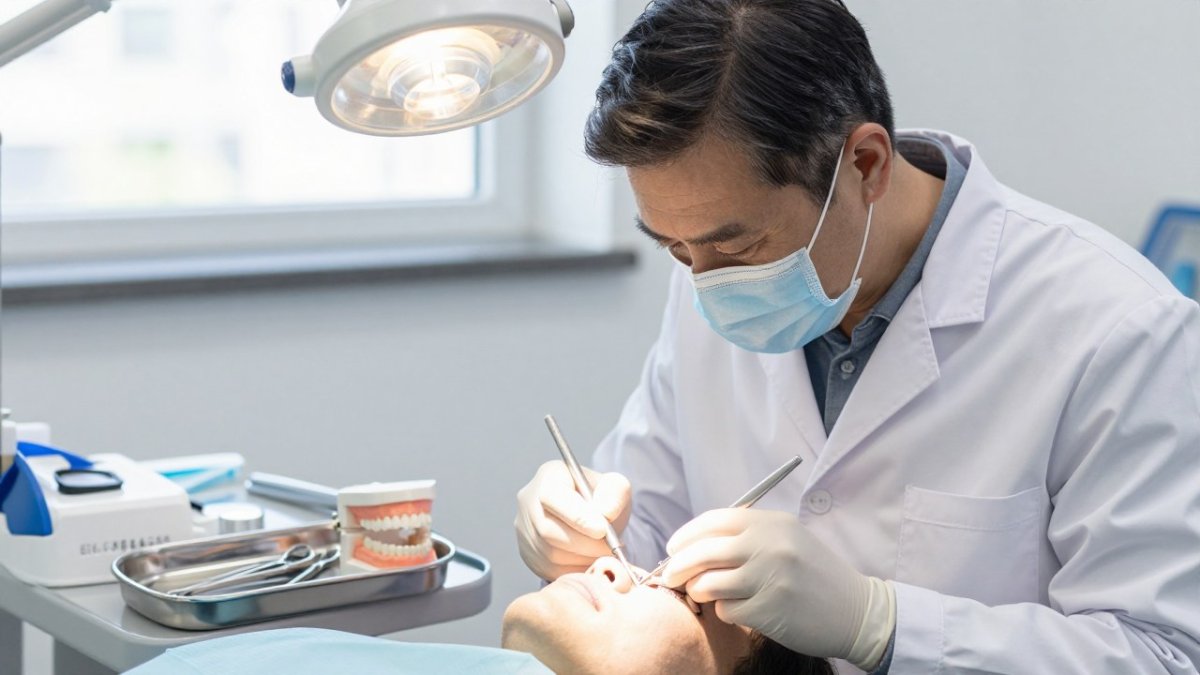
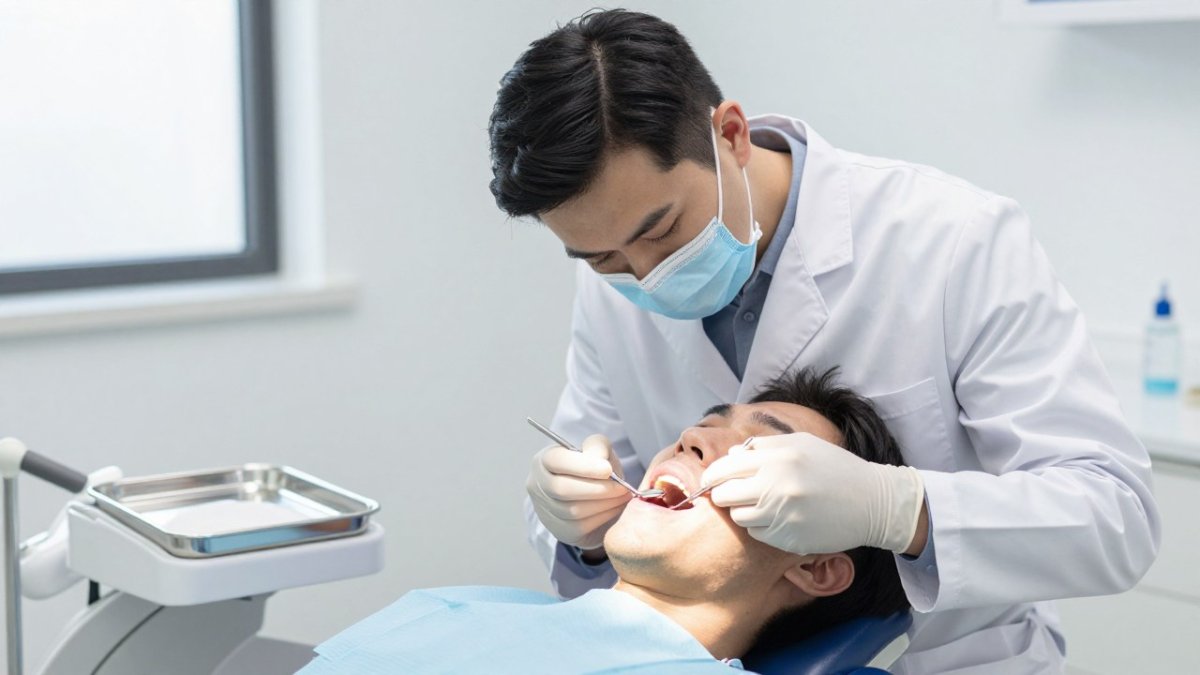
Preventive care is the most reliable way to protect both your teeth and your nutrition. Regular checkups catch decay and gum disease early, and a dentist can flag dry mouth, tooth wear, or denture fit issues before they change how you eat.
At Royal Dental at The Villages, our team brings over 30 years of experience to every visit, with same-day implants and full-mouth restorations available for patients who need more than a cleaning. Understanding preventive dental care benefits helps you see why these visits protect your smile and your long-term costs. Ready to book? Our dental cleaning appointment is a straightforward place to start.
If eating has become uncomfortable or your dentures no longer fit the way they should, don't wait for the problem to change your diet for you. Royal Dental at The Villages offers same-day implants, full-mouth restorations, and a team with 30 years of experience, all in a comfortable environment designed for anxious patients. Get started with Royal Dental at The Villages and protect both your smile and the foods you love.
Frequently Asked Questions
How does nutrition affect dental health after 60?
Diet and oral health influence each other in both directions. Malnutrition is generally understood to be associated with tooth loss in older adults. Sugary and processed foods feed the bacteria behind tooth decay, while calcium, phosphorus, and protein support tooth and gum structure. At the same time, missing teeth or ill-fitting dentures can push you toward softer, less nutritious foods, so the cycle compounds if it goes unaddressed.
Can poor nutrition increase the risk of gum disease in older adults?
Yes. Dietary intake and dietary habits are generally understood to be linked to the risk of periodontal disease, tooth wear, and dental caries in older adults. Diets low in nutrients for teeth and gums, and high in sugary foods and processed foods, give bacteria more fuel and can support inflammation in oral tissues. Tooth loss is common among older adults, which makes preventive eating habits important.
What should older adults with dry mouth change about their diet?
Dry mouth and nutrition in older adults are tightly linked, because saliva washes away food particles and neutralizes acids. When saliva drops, usually from medications, sip water throughout the day, favor moist foods like soups, yogurt, and pureed fruit, and chew sugar-free gum to stimulate flow. Limit sugary beverages and processed foods that stick to dry oral tissues. Tell your dentist about every medication you take, since dry mouth is often a side effect that can be managed.
When should an older adult talk with a dentist about diet and oral health?
Bring it up at your next visit if chewing hurts, if food tastes different, if dentures slip during meals, or if you have started avoiding certain foods. Those are early signs that oral function is affecting your diet quality. Limiting processed foods and sugary beverages is widely recommended to help prevent tooth decay. A dentist can check for decay, gum disease, and dry mouth, then connect those findings to what is happening at your table.

Comments