

Clear Aligners vs Braces: Which Fits You?
A straighter smile can change more than appearance. It can make daily brushing easier, improve bite function, and give you more confidence every time you speak or laugh. When patients ask about clear aligners vs braces, they are usually not asking which one is trendy - they want to know which option will actually fit their life, comfort level, and long-term goals.
The honest answer is that both can work beautifully. The better choice depends on your teeth, your bite, your schedule, and how involved you want to be in the process. At a practice built around personalized care, that difference matters. Orthodontic treatment should feel tailored, not one-size-fits-all.
Clear aligners vs braces: the biggest differences
Clear aligners are removable trays made to gradually shift your teeth over time. You wear each set for a prescribed period, then move on to the next. Because they are clear and closely fitted, they are far less noticeable than braces.
Traditional braces use brackets and wires attached to the teeth. They apply steady pressure and are adjusted throughout treatment to move teeth into better alignment. Braces are more visible, but they are also extremely reliable, especially for more complex tooth movement.
From a patient perspective, the biggest difference is control. Clear aligners give you more flexibility because you can remove them for meals and brushing. Braces give your dentist or orthodontic provider more direct control because they stay in place all the time. That distinction often shapes the rest of the decision.
Appearance and confidence in daily life
For many adults and teens, appearance is the first thing they notice. Clear aligners tend to appeal to patients who want orthodontic treatment to stay discreet. If you attend social events, work with the public, or simply prefer a lower-profile option, aligners can feel like a comfortable fit.
Braces are more visible, and some patients still feel self-conscious about that. At the same time, many people are less bothered by braces than they expected. Some even appreciate the fact that braces make their treatment obvious, so there is no need to explain why they are wearing trays or removing them before meals.
If your main concern is keeping treatment subtle, clear aligners usually have the advantage. If your main concern is getting the best tool for a more involved case, visibility may matter less than results.
Comfort is not exactly the same as convenience
Patients often assume clear aligners are always more comfortable. In many cases, they are. There are no brackets or wires rubbing against the cheeks and lips, and the trays are smooth. You may still feel pressure when switching to a new set, but that pressure is usually predictable and manageable.
Braces can cause soreness after adjustments, and they may irritate soft tissues, especially early on. Wax and small care changes often help, but there is still an adjustment period.
Convenience, though, is a separate issue. Aligners are comfortable for many patients, but they also require discipline. You need to wear them as directed, usually most of the day and night, and remove them only when appropriate. If you tend to forget routines or know you may leave trays out too often, braces may actually be the easier option because they do the work without depending on daily decision-making.
Eating, brushing, and everyday maintenance
One of the most practical differences in clear aligners vs braces comes down to everyday habits. With clear aligners, you remove the trays before eating or drinking anything besides water. That means no food restrictions in the usual sense. You can still enjoy popcorn, apples, or crunchy foods because the trays come out first.
Braces require more caution. Sticky, hard, or chewy foods can damage brackets and wires, and food can get trapped more easily around the hardware. Meals often take a little more thought, especially in the beginning.
Oral hygiene is also different. Aligners make brushing and flossing simpler because you take them out and clean your teeth normally. With braces, cleaning takes more time and attention. It can absolutely be done well, but it requires patience and consistency.
For patients who value freedom at mealtime and simpler hygiene, aligners can be very appealing. For patients who do not want the responsibility of keeping track of trays, braces may still feel more manageable despite the extra cleaning.
Treatment complexity and results
This is where a professional evaluation matters most. Clear aligners are excellent for many cases, including mild to moderate crowding, spacing, and certain bite concerns. They have become more advanced over the years and can treat more than many people realize.
Braces, however, often remain the better option for more complex orthodontic needs. Significant rotation, severe crowding, major bite correction, and teeth that need more controlled movement may respond more predictably with braces.
That does not mean braces are better in every way. It means the right tool depends on the job. If your case is relatively straightforward and you want a discreet option, aligners may provide an excellent balance of comfort and appearance. If your case is more involved, braces may give you a more efficient and reliable path.
A good dental team will not push one treatment just because it is popular. They will look at your teeth, your bite, your goals, and your lifestyle before making a recommendation.
Cost and value over time
Cost is an understandable part of the decision. Depending on the complexity of your case, clear aligners and braces may be closer in price than many patients expect. In some situations, aligners cost a bit more. In others, the difference is minimal.
The better question is value. If you choose aligners but struggle to wear them as directed, you may delay your progress and reduce the effectiveness of treatment. If you choose braces for a case that could have been handled comfortably with aligners, you may feel you gave up convenience you would have appreciated.
Value comes from choosing the treatment you are most likely to complete successfully. The best investment is the one that fits both your clinical needs and your daily habits.
Which patients often do better with clear aligners?
Clear aligners are often a strong choice for adults and older teens who want a subtle appearance, can commit to wearing the trays consistently, and have mild to moderate alignment concerns. They also suit patients who want fewer interruptions when eating and a simpler brushing and flossing routine.
They can be especially appealing for busy professionals, socially active adults, and patients interested in cosmetic improvement alongside function. If you are motivated, organized, and likely to follow instructions closely, aligners can be an excellent experience.
Which patients often do better with braces?
Braces are often the better fit for patients with more complex bite or alignment issues, younger patients who may not reliably wear removable trays, or anyone who prefers a treatment option that stays in place and works continuously.
They are also helpful for patients who do not want the temptation of removing aligners too often. If compliance might be a challenge, braces can remove that variable from the equation. In many cases, that makes treatment more predictable.
Your lifestyle matters more than most people think
Orthodontic treatment does not happen in a vacuum. It happens during dinners out, holidays, work meetings, family routines, and regular life. That is why the decision is not just clinical.
If you want the flexibility to remove your appliance for special occasions and meals, clear aligners may feel more comfortable. If you would rather not think about taking something in and out throughout the day, braces may feel simpler. If appearance is your biggest concern, aligners may win. If treatment control and complexity are bigger concerns, braces may make more sense.
This is one of those decisions where honesty helps. The right answer is not the option that sounds nicest. It is the option you are most likely to wear, maintain, and finish successfully.
At Royal Dental at The Villages, that conversation should feel clear and reassuring, not rushed. You deserve a recommendation based on what will serve your smile best, while keeping comfort, quality, and personal attention at the center of care.
A straighter smile is not about choosing what everyone else chooses. It is about choosing the treatment that fits your teeth, your goals, and your life well enough that you can see it through with confidence.

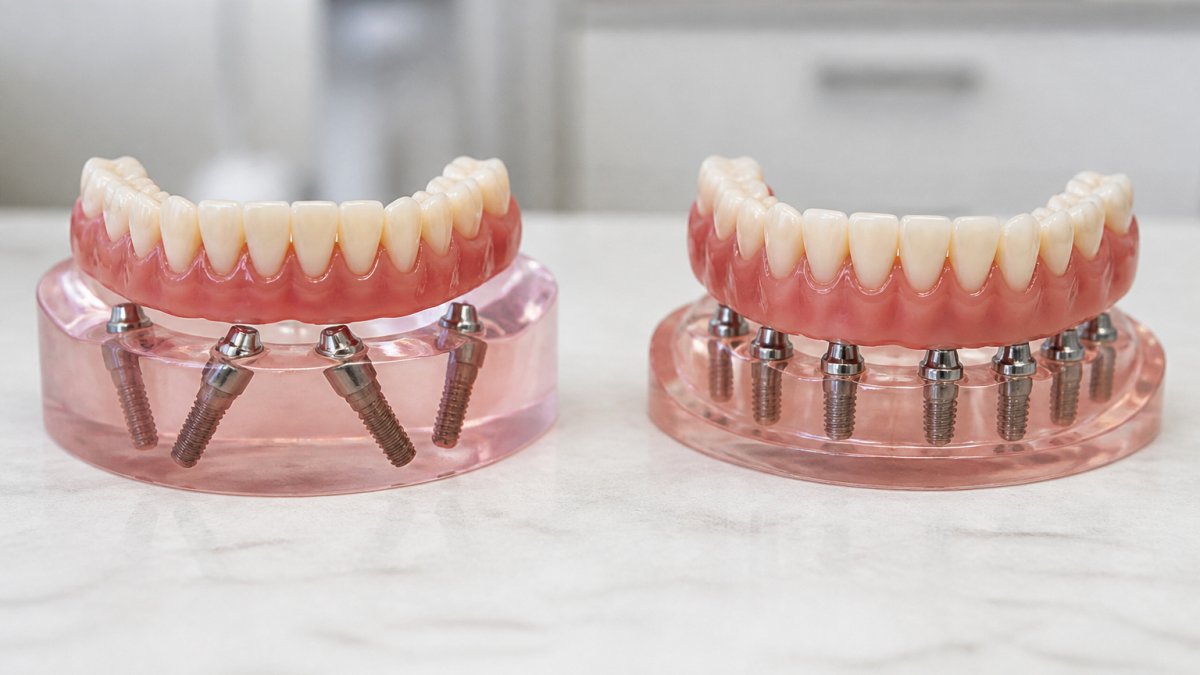

This is a helpful comparison of clear aligners and braces, especially for anyone weighing comfort, appearance, and treatment needs. The discussion makes it easier to understand how invisible aligners can offer a discreet alternative while still supporting effective orthodontic results.