

A Complete Guide to Smile Makeovers
A smile makeover is rarely about vanity alone. More often, it starts when someone sees a photo of themselves smiling less than they used to, notices worn or stained teeth in the mirror, or feels that one chipped tooth keeps drawing all the attention. This complete guide to smile makeovers is designed to help you understand what is possible, what is worth considering, and how to make decisions that feel right for your smile, comfort, and long-term oral health.
For many patients, the best cosmetic result is not the one with the most procedures. It is the one that looks natural, fits the face, supports healthy function, and feels like an improved version of your own smile. That is why a thoughtful smile makeover always begins with planning, not pressure.
What a complete guide to smile makeovers should include
A true smile makeover is a personalized treatment plan that combines two or more cosmetic or restorative dental procedures to improve the appearance of your smile. Depending on your goals, it may also correct bite concerns, replace missing teeth, or address old dental work that no longer looks or functions its best.
There is no universal formula. One patient may want brighter teeth and a more even edge line. Another may need to repair worn teeth, replace a missing tooth, and reshape a few areas to create balance. A good plan takes into account tooth color, shape, spacing, gum display, facial symmetry, and how your teeth come together when you bite.
The most common concerns a smile makeover can address include discoloration, chips, cracks, gaps, uneven teeth, mild crowding, short teeth, worn enamel, old fillings that show when you smile, and missing teeth. In some cases, gum contour can also be part of the conversation if too much or too little gum tissue is visible.
The treatments that may be part of a smile makeover
Teeth whitening is often the simplest place to start. Professional whitening can lift years of surface and internal staining more effectively than store-bought options. It works well for many patients, but not every type of discoloration responds the same way. Deep intrinsic stains, older dental crowns, and existing fillings may require a different solution if color matching is the goal.
Dental veneers are one of the most popular options for smile makeovers because they can change color, shape, size, and overall symmetry at the same time. Veneers are thin shells placed over the front of the teeth, usually for the most visible teeth in the smile. They can create a beautiful result, but they are not the right answer for everyone. Patients with heavy grinding, untreated gum disease, or significant bite issues may need other care first.
Dental bonding is a more conservative way to improve chips, small gaps, and minor shape concerns. It can often be completed quickly and with less tooth alteration than veneers. The trade-off is that bonding typically does not last as long and may stain or wear more easily over time.
Crowns may be recommended when a tooth needs both cosmetic improvement and stronger structural support. If a tooth is cracked, heavily filled, or significantly worn down, a crown can restore appearance and function together. This is where cosmetic dentistry and restorative dentistry often overlap.
Clear aligners or orthodontic treatment may be part of a smile makeover if the underlying problem is tooth position. Straightening the teeth first can reduce the need for more invasive cosmetic work later. Some patients are surprised to learn that a better smile sometimes starts with movement, not covering the issue.
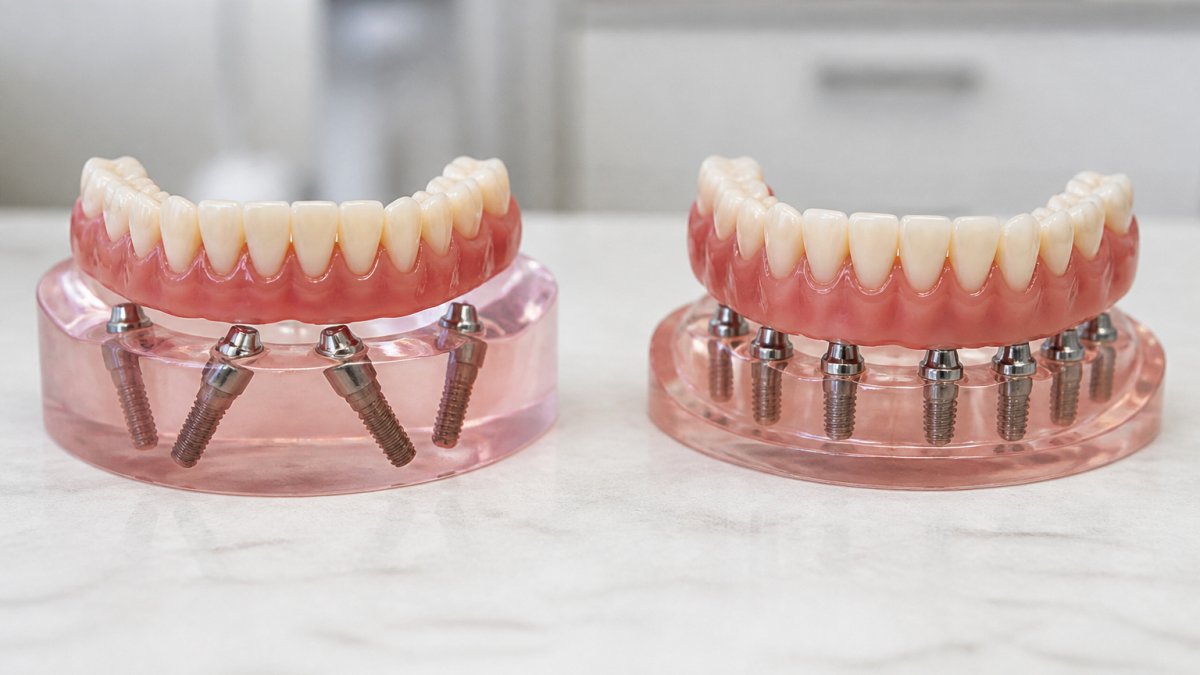
Dental implants, bridges, or dentures may be included when one or more teeth are missing. Replacing missing teeth does more than fill a space. It helps maintain facial structure, supports chewing, and keeps neighboring teeth from shifting in ways that affect the entire smile.
Gum reshaping may help if the teeth look too short or the gumline appears uneven. Subtle changes to the gums can make a dramatic difference in balance. As with any cosmetic treatment, the best result is one that looks natural rather than overdone.
How your dentist builds the right plan
The planning stage matters as much as the treatment itself. During a smile makeover consultation, your dentist will usually examine your teeth, gums, bite, and existing dental work. Photos, digital imaging, and X-rays may be used to evaluate both appearance and health.
This is also the time to talk honestly about what you want. Bring in reference photos if that helps, but expect a realistic conversation. The smile you admire on someone else may not suit your facial features, lip line, or tooth proportions. The goal is not to copy another person. It is to create harmony with your own features.
A strong plan also considers practical questions. How long do you want the result to last? How important is keeping treatment conservative? Are you preparing for an upcoming event, or are you focused on a slower, long-term approach? What is your comfort level with maintenance and budget? These details shape the final recommendation.
At Royal Dental at The Villages, that planning process is most effective when it feels collaborative and unhurried. Patients tend to make the best decisions when they feel informed, comfortable, and listened to.
Smile makeover costs and what affects them
One of the most common questions is cost, and the honest answer is that it depends on the scope of treatment. A simple makeover with whitening and bonding will cost much less than a comprehensive plan involving veneers, crowns, implants, or orthodontics.
Materials, lab work, the number of teeth treated, and whether restorative care is needed all affect the total. So does sequencing. Sometimes a patient wants cosmetic treatment right away, but the smartest plan starts with treating decay, gum inflammation, or bite instability first. That can change both timing and budget, but it usually protects the final result.
It is also worth thinking beyond the upfront number. A lower-cost treatment that needs more frequent repairs may not always be the better value. On the other hand, not every patient needs the most extensive option. The right choice balances appearance, function, longevity, and financial comfort.
How long a smile makeover takes
Some smile makeovers can be completed in one or two visits. Others take several months, especially if orthodontics, implants, or healing periods are involved. Whitening and bonding are often faster. Veneers and crowns usually require planning, preparation, and placement across multiple appointments. Implant treatment takes longer because healing and integration are part of the process.
If you have a deadline, such as a wedding, reunion, or major celebration, mention it early. Your dentist can tell you what is realistic and whether treatment should be phased. Rushed cosmetic work is rarely the best work.
What makes a result look natural
The most attractive smile makeovers are usually the least obvious. Natural-looking cosmetic dentistry pays attention to translucency, texture, tooth proportions, and how the smile fits the face. Very white teeth are not always the most flattering. Perfectly uniform shapes are not always the most believable.
This is where experience and communication matter. Some patients want a brighter, more polished look. Others want subtle refinement that no one can quite identify. Neither preference is wrong, but the treatment should match the person.
Who is a good candidate
Most adults with healthy gums and stable oral health can be candidates for some type of smile makeover. If there are untreated issues such as cavities, gum disease, or chronic clenching, those should usually be addressed first. Cosmetic work lasts longer and performs better when the foundation is healthy.
You may be a strong candidate if you feel self-conscious about your smile, avoid photos, hide your teeth when speaking, or have old dental work that no longer blends well. You may need a more phased approach if your concerns involve both appearance and function.
Questions worth asking before you start
Before moving forward, ask what problem each treatment is solving, how long results are expected to last, what maintenance is required, and whether there are more conservative alternatives. Ask to see before-and-after examples of similar cases if available. You should also understand what happens if you postpone treatment or choose to do it in stages.
A trustworthy cosmetic plan should feel clear, not confusing. You should know why a procedure is being recommended and what trade-offs come with it.
Caring for your new smile
A smile makeover is not a finish line. It is an investment that needs maintenance. That usually means consistent home care, regular professional cleanings, and avoiding habits that shorten the life of your results, such as chewing ice, using teeth as tools, or neglecting a night guard if you grind.
Some materials resist stains better than others. Some restorations can be polished or repaired, while others eventually need replacement. Knowing that in advance helps you protect both your smile and your budget.
The best smile makeover is one that makes you feel comfortable smiling without overthinking it. If you are considering cosmetic treatment, give yourself room to ask questions, weigh options, and choose a plan that respects both your goals and your oral health. A beautiful smile should feel like confidence you can live with every day.


Comments