
ClearChoice Alternatives: Local vs. National Implant Centers
Table of Contents
Why Compare Dental Implant Alternatives
Local Private Practices vs. National Implant Centers
Dental Implant Cost Comparison: What You Actually Pay
Same-Day Dental Implants Recovery Time and What to Expect
Choosing an Implant Dentist: What Matters Most
Key Questions to Ask Before Committing
Conclusion: Making Your Decision
Last Updated: August 29, 2026
Why Compare Dental Implant Alternatives
When facing significant tooth loss, where you get treatment matters as much as the decision to get treatment. Dental implant alternatives range from national chains to specialized local practices, each with distinct approaches to care, pricing, and patient experience. Understanding these differences helps you make a choice aligned with your specific needs, budget, and comfort level.
National centers operate with standardized protocols and high-volume efficiency. Local private practices emphasize personalized care and long-term relationships. Specialized oral surgeons focus on complex cases. For seniors in The Villages considering same-day implants or full-mouth restorations, the wrong choice can mean months of complications, unexpected costs, or results that don't match your expectations.
Royal Dental at The Villages has spent over 30 years refining comprehensive dental care, combining same-day implant capability with personalized treatment planning, in-house lab work, and IV sedation options for anxious patients. But your best option depends on your specific situation, not just what one practice offers.
This guide breaks down the real differences between dental implant alternatives so you can evaluate what matters most: treatment outcomes, total cost, recovery expectations, and the kind of care experience you actually want.
Local Private Practices vs. National Implant Centers
Local private practices typically operate as independent businesses with one or a few locations. The dentist you meet often oversees your entire treatment from diagnosis through final restoration. Decisions about your care aren't filtered through corporate protocols. If your situation requires modification to the standard approach, the decision happens quickly.
National implant centers operate under corporate frameworks with multiple locations. They follow standardized treatment protocols designed for consistency and efficiency across all offices. This approach offers predictable outcomes and established quality controls. The trade-off is less flexibility. If your case doesn't fit the standard protocol cleanly, you may need to accept the standard approach or be referred elsewhere.
Royal Dental at The Villages operates as a local private practice with the infrastructure and technology of a much larger operation. That combination means same-day implants and full-mouth restorations happen with personalized planning, not assembly-line efficiency.
For osseointegration (the biological process where bone fuses with your implant), both models work well when executed properly (peer-reviewed research). The difference shows up in how your specific needs are addressed. Local practices can pivot quickly if complications arise. National centers handle complications through established protocols, which works reliably but may require more steps or additional appointments.
National centers often offer financing and insurance coordination as core services. Local practices may offer financing but often require more direct communication about payment options. One practical consideration: national centers can move your treatment between locations if you relocate. For most patients in The Villages, this isn't relevant.
Dental Implant Cost Comparison: What You Actually Pay
Cost comparison for dental implants requires understanding what's actually included in different pricing models. A low starting price doesn't mean low total cost if critical components aren't included.
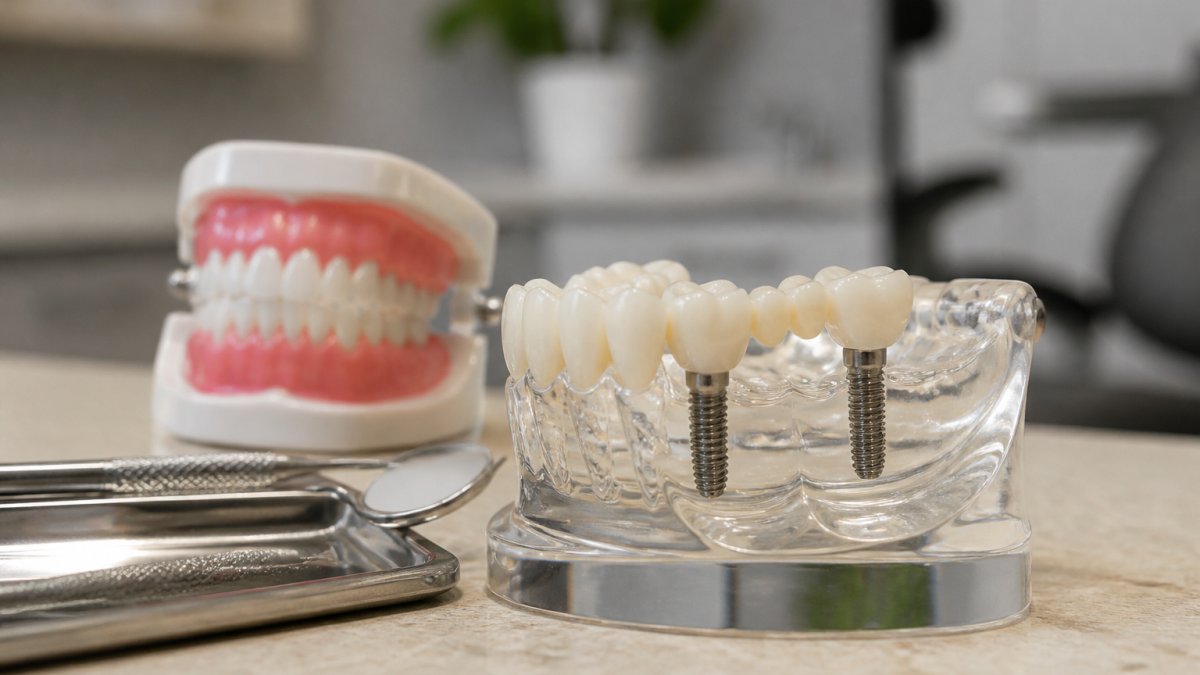
Single dental implants typically include the implant body (the titanium or zirconia post), the abutment (the connector piece), and the crown. But not all quoted prices include all three. When you compare prices, verify exactly what's included: implant body, abutment, crown, bone grafting if needed, sedation, and follow-up adjustments.
National chains like Aspen Dental publish starting prices ranging from approximately $3,158 to $6,533 for a complete single implant restoration, depending on complexity and whether bone grafting is required. Published starting prices often reflect straightforward cases. Your case may require bone grafting, sinus lift, or other preparatory procedures that add to the final cost.
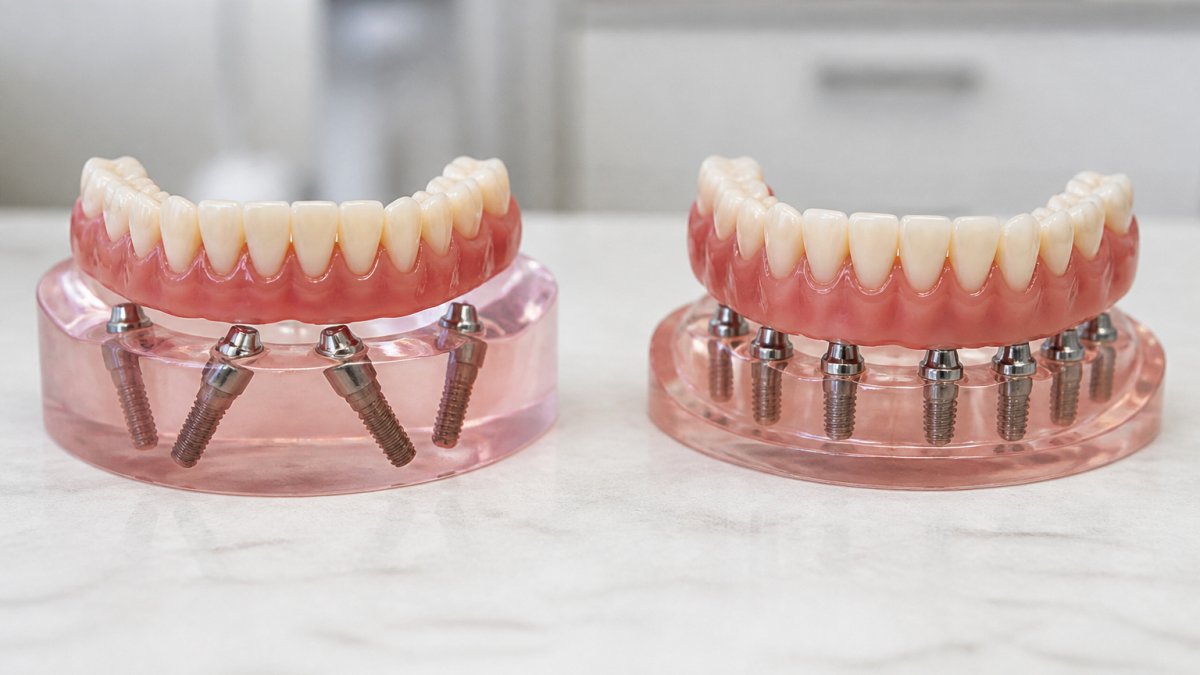
Full-mouth restorations cost significantly more than single implants because they involve multiple implants and extensive planning. A full-arch restoration might involve 4 to 8 implants supporting a complete set of replacement teeth. Total costs vary widely based on how many implants are needed, whether bone grafting is necessary, and whether you choose fixed or removable restoration.
Royal Dental at The Villages offers new patient discounts of 10% on dental work and implants, which can meaningfully reduce total cost for comprehensive cases. The real cost question is what's included in the treatment plan and whether additional procedures will be necessary.
Bone grafting adds significant cost but is often essential for successful implant placement. If your jawbone has experienced substantial loss, bone grafting must happen before implant placement. Some practices include this assessment in initial consultation. Others discover the need during surgery, which can delay treatment and add surprise costs.
Financing options affect your actual out-of-pocket cost. National centers often offer in-house financing or partnerships with third-party lenders. Local practices may work with specific financing partners or require direct payment. Terms, interest rates, and flexibility differ.
Insurance coverage for dental implants is limited. Most dental insurance plans don't cover implants because they're classified as cosmetic or elective. Some plans cover a portion if implants are medically necessary. Medicare doesn't cover dental implants. Contact your insurance provider with your specific treatment plan to determine coverage.
Key Takeaway The lowest quoted price rarely equals the lowest total cost. Compare complete treatment plans, not just implant placement fees. Ask specifically about bone grafting, sedation, follow-up adjustments, and any additional procedures your case might require.
Same-Day Dental Implants Recovery Time and What to Expect
Same-day dental implants, where the implant is placed and a temporary restoration is attached during the same appointment, have become a realistic option for many patients, but recovery expectations need to be realistic.
The same-day process works like this: diagnostic imaging (typically 3D cone beam CT scans) determines your bone density and anatomy. Your dentist uses this data to plan precise implant placement. During surgery, the implant is placed and a temporary crown or bridge is attached immediately. You leave with functional teeth the same day.
However, "same-day" refers to when you leave the office, not when healing is complete. Osseointegration, the biological fusion of bone with your implant, takes months (peer-reviewed research). During this time, the implant must remain stable and undisturbed. Your temporary restoration is designed to be functional without putting excessive force on the healing implant.
Recovery timeline typically follows this pattern: The first 24-48 hours involve the most swelling and discomfort (the American Dental Association). Pain is usually manageable with prescribed or over-the-counter medication. Swelling peaks around day 3-5, then gradually subsides over 2-3 weeks. Most patients can return to light activities within a few days and normal activities within 1-2 weeks. Dietary restrictions continue for several weeks.
The critical recovery phase for osseointegration lasts 3-6 months. During this time, the implant is integrating with your bone. Your temporary restoration protects the implant while allowing functional use. You can eat, speak, and smile normally, but you're not putting full chewing force on the implant yet.
Complications during recovery are uncommon but possible. Infection at the surgical site requires immediate attention. Implant mobility indicates osseointegration isn't progressing and requires evaluation. Most complications are manageable when caught early, which is why follow-up care matters.
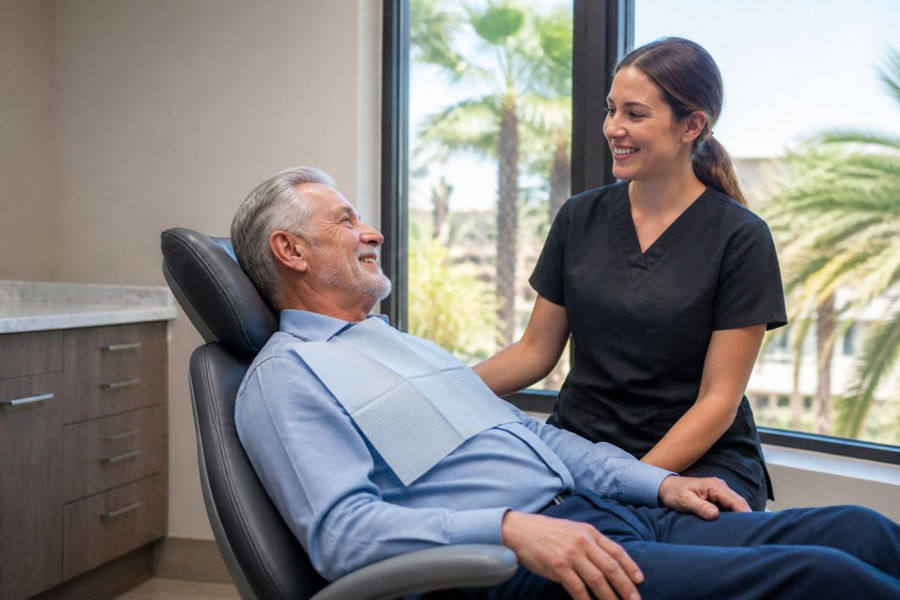
IV sedation, available at Royal Dental at The Villages and other specialized practices, changes the recovery experience. With IV sedation, you're deeply relaxed during the procedure but not under general anesthesia. Recovery from IV sedation typically takes 1-2 hours. You'll need someone to drive you home. The sedation itself doesn't extend your healing timeline. But for anxious patients, the psychological benefit of not remembering the procedure is significant.
Age isn't a barrier to same-day implants. Seniors in their 70s and 80s recover successfully from implant placement when they're in reasonable health. The key factors are bone density, overall health status, and commitment to follow-up care.
Watch Out The biggest mistake during recovery is pushing too hard too fast. Patients feel good after a few days and assume they're fully healed. Premature chewing force on a healing implant can compromise osseointegration. Follow your dentist's guidelines on dietary progression and activity restrictions, even if you feel ready to move faster.
Choosing an Implant Dentist: What Matters Most
Selecting the right dentist for implant treatment matters more than price alone or brand reputation. Your specific situation, bone density, health history, anxiety level, and aesthetic goals, determines what expertise and approach will serve you best.
Clinical experience with implant cases is non-negotiable. Ask how many implant cases your dentist has completed, specifically same-day implants if that's what you're considering. A dentist who's placed 50 implants has encountered more situations and complications than one who's placed 10.

Diagnostic capabilities matter significantly. Modern implant planning requires 3D imaging (cone beam CT scans) to assess bone density, anatomy, and optimal implant positioning. Practices with in-house imaging can plan more efficiently and catch potential complications before surgery.
In-house lab capabilities mean faster turnaround on crowns and restorations. When your dentist's office has its own lab, modifications can happen quickly. For patients getting same-day restorations, in-house lab work is essential.
Sedation options matter if you have dental anxiety. IV sedation requires specific training and credentials. If anxiety has prevented you from getting dental care, ask specifically about sedation options and the dentist's training and experience. For seniors, sedation safety is particularly important.
Communication style affects your experience significantly. You want a dentist who explains your treatment plan clearly, answers your questions directly, and doesn't pressure you into decisions. A good sign: your dentist asks about your goals and concerns before proposing a treatment plan. A red flag: a dentist who presents only one option without explaining why it's right for your specific situation.
Personalized treatment planning is the hallmark of practices that prioritize patient outcomes over efficiency. Your anatomy, health status, and goals are unique. Your treatment plan should reflect that.
Follow-up care commitment matters for long-term success. Implants require monitoring over months and years. Your dentist should have clear protocols for follow-up appointments, imaging, and adjustments.
Key Questions to Ask Before Committing
Before you commit to any implant treatment, you should have clear answers to these questions.
What's included in your quoted price? Get a detailed breakdown: implant body, abutment, crown, bone grafting if needed, sedation, and follow-up adjustments. Ask what happens if additional procedures become necessary during treatment.
What's your experience with same-day implants specifically? Same-day requires specific planning, timing, and lab capabilities. Ask how many same-day cases they've completed.
What imaging do you use for treatment planning? 3D cone beam CT is the standard. Ask whether imaging is in-house or external.
Do you have an in-house lab? This speeds up restorations and allows real-time adjustments. Ask about typical turnaround times if they outsource lab work.
What sedation options do you offer? If you have anxiety, understand exactly what's available. Ask about your dentist's training and experience.
What's your protocol if complications arise? Ask specifically about infection, implant mobility, or other issues. How quickly can you be seen?
What does follow-up care include? How many follow-up appointments are included? What's the cost for additional adjustments?
Can you provide references from patients who had similar treatment? Patient experiences are more valuable than marketing materials.
What's your cancellation and refund policy? Understand what happens if you need to pause treatment.
Do you accept my insurance? Even if insurance doesn't cover implants, your dentist should work with your insurance for any covered aspects of care.
Conclusion: Making Your Decision
Choosing between dental implant alternatives comes down to matching your specific needs with the right practice. National chains offer standardized protocols and published pricing. Local private practices provide personalized treatment planning and faster decision-making. Specialized oral surgeons focus on complex surgical cases.
At Royal Dental at The Villages, we've combined the best elements of local practice care with the technology and capabilities of much larger operations. Our 30 years of experience means we've handled complicated cases, managed complex restorations, and refined what works. Same-day implants and full-mouth restorations in 24 hours aren't promises, they're outcomes we deliver consistently. With IV sedation for anxious patients, an in-house lab for immediate adjustments, and personalized treatment planning for each patient, we've built a practice designed specifically for what seniors in The Villages actually need.
Your decision should be based on your specific situation: your bone density, health status, anxiety level, budget, and what you want your smile to feel and look like. Get detailed treatment plans from multiple practices. Ask the hard questions about experience, complications, and follow-up care. Then choose the practice where you feel confident in both the clinical expertise and the care experience.
Ready to explore whether same-day implants or full-mouth restoration is right for you? Contact Royal Dental at The Villages to schedule a consultation. Our team will review your specific situation, explain your options clearly, and help you understand the complete treatment plan and investment. With 30 years of experience and a 10% discount for new patients on dental work and implants, we're here to help you achieve the healthy, natural-looking smile you deserve.
Frequently Asked Questions
How do local dental implant practices differ from national centers like ClearChoice?
Local practices typically offer personalized treatment plans tailored to your specific needs, with continuity of care from the same dentist. National centers follow standardized protocols designed for efficiency and consistency across multiple locations. The choice depends on whether you prioritize customized care and relationship-building or standardized procedures and brand recognition.
What factors should I consider when choosing an implant dentist?
Evaluate the dentist's experience with implant cases, their use of advanced imaging like 3D cone beam CT scans, and whether they handle the entire process in-house or refer portions to specialists. Ask about their approach to patient anxiety, do they offer IV sedation? Review their track record with full-mouth restorations and same-day implants if that's your goal. Request before-and-after photos to assess aesthetic outcomes, and confirm they provide clear pricing and financing options before treatment begins.
How much does a full-mouth dental implant restoration typically cost?
Costs vary significantly based on the number of implants needed, bone grafting requirements, type of restoration (fixed bridge vs. implant-supported dentures), and whether procedures are done same-day or over multiple visits. Pricing also depends on your location, the dentist's experience level, and whether your insurance covers any portion. Rather than comparing advertised 'starting prices,' request a detailed treatment plan with an itemized quote from your chosen provider. Many practices offer financing options and payment plans to spread costs over time.
What is the recovery time after same-day dental implants?
Most patients experience initial swelling and discomfort for 3-7 days after same-day implant placement, manageable with prescribed pain medication and ice therapy. You can typically return to light activities within a few days, though strenuous exercise should be avoided for 1-2 weeks. Full osseointegration, the process where bone fuses to the implant, takes 3-6 months, during which you should avoid chewing directly on the implant site. Your dentist will provide specific post-operative instructions and schedule follow-up appointments to monitor healing and adjust your restoration as needed.
Are same-day dental implants safe for seniors over 70?
Same-day implants can be safe for healthy seniors, but age alone is not a disqualifying factor. What matters more is your overall health, bone density, and ability to tolerate surgery. IV sedation is commonly used to manage anxiety during the procedure, and it can be safely administered to older adults when properly monitored by trained professionals. Your dentist should conduct a thorough health assessment, review medications, and discuss any concerns before proceeding. Many seniors successfully complete same-day implant procedures with excellent outcomes when treated by experienced providers.
Inquiry Services Page
This article was written using GrandRanker

Comments